Holistic Healing: Alternative Therapies for Drug Addiction Recovery

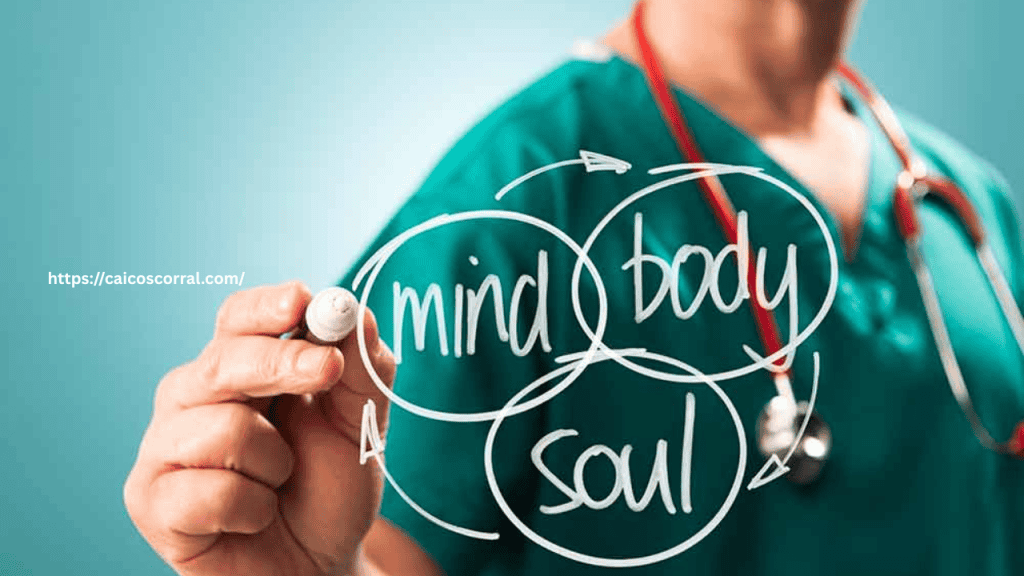
Drug addiction recovery is a deeply personal journey, and for many individuals, a holistic approach can offer profound benefits. Holistic healing focuses on treating the whole person—mind, body, and spirit—rather than just the symptoms of addiction. While traditional treatments like detox, medication, and behavioral therapy remain essential, alternative therapies can complement these methods and support long-term sobriety.

What is Holistic Healing?

Holistic healing involves practices that promote overall wellness and balance. It recognizes that physical health, emotional well-being, mental clarity, and spiritual fulfillment are interconnected. In addiction recovery, holistic therapies aim to restore this balance, reduce stress, and improve quality of life, making individuals more resilient against relapse.

Popular Holistic Therapies in Addiction Recovery

  1. Yoga and Meditation Yoga combines physical movement, breath control, and mindfulness to reduce stress and enhance self-awareness. Meditation helps individuals center their thoughts, manage cravings, and cultivate a calm mental state. Together, they encourage a deeper connection between the mind and body, fostering inner peace and emotional stability.
  2. Acupuncture An ancient Chinese practice, acupuncture involves inserting thin needles into specific points on the body to restore energy flow. In addiction recovery, acupuncture is often used to reduce withdrawal symptoms, relieve anxiety, and improve sleep quality. It may also help balance the body’s systems and promote healing.
  3. Massage Therapy Massage therapy can alleviate physical tension and emotional stress, which are common in early recovery. It improves circulation, reduces anxiety, and releases endorphins—the body’s natural feel-good chemicals. Regular massages can help individuals feel more relaxed and connected to their bodies.
  4. Art and Music Therapy Creative therapies like art and music offer nonverbal ways to express emotions, process trauma, and explore identity. These therapies encourage self-expression and can uncover underlying issues that contribute to substance use. Creating art or playing music can be both therapeutic and empowering.
  5. Nutritional Therapy Substance abuse often depletes the body of essential nutrients. Nutritional therapy focuses on restoring physical health through a balanced diet, supplements, and education about healthy eating. Proper nutrition supports brain function, improves mood, and increases energy levels, all of which are vital for recovery.
  6. Equine Therapy Working with horses in a therapeutic setting helps individuals develop trust, communication skills, and emotional awareness. Equine therapy can be particularly effective for those who struggle with traditional talk therapies, offering a unique and calming environment for personal growth.

Benefits of a Holistic Approach

Incorporating holistic therapies into a recovery plan offers several benefits:

  • Enhances emotional and physical well-being
  • Promotes stress reduction and relaxation
  • Improves self-awareness and coping skills
  • Encourages personal growth and spiritual healing

These therapies are not meant to replace traditional treatments but to enhance them, creating a well-rounded recovery experience.

Conclusion

Holistic healing offers a compassionate and comprehensive path to addiction recovery. By addressing the mind, body, and spirit, alternative therapies can empower individuals to heal on multiple levels. When combined with conventional treatments, holistic approaches foster resilience, self-discovery, and a more balanced, fulfilling life free from addiction.

Medication-Assisted Treatment (MAT): A Game-Changer in Opiate Recovery

The opioid crisis has become one of the most pressing public health issues in recent history, claiming countless lives and devastating communities around the world. In the fight against opioid addiction, Medication-Assisted Treatment (MAT) has emerged as a transformative and evidence-based approach that significantly improves outcomes for individuals struggling with dependence. By combining medications with counseling and behavioral therapies, MAT offers a holistic and effective path to recovery.

What is Medication-Assisted Treatment (MAT)?

MAT involves the use of FDA-approved medications, in combination with therapy and support services, to treat substance use disorders, particularly opioid addiction. The three most commonly used medications in MAT for opioid addiction are methadone, buprenorphine, and naltrexone. These medications work by interacting with the brain’s opioid receptors, either by mimicking the effects of opioids, blocking them, or easing withdrawal symptoms and cravings.

How MAT Works

  1. Methadone: A full opioid agonist, methadone activates opioid receptors in the brain to a lesser degree than heroin or prescription painkillers. It reduces cravings and withdrawal symptoms without producing the euphoric high, allowing individuals to function normally and focus on recovery.
  2. Buprenorphine: A partial opioid agonist, buprenorphine produces weaker opioid effects, which helps reduce cravings and withdrawal with a lower risk of misuse. It is often combined with naloxone (as in Suboxone) to discourage injection abuse.
  3. Naltrexone: An opioid antagonist, naltrexone blocks the effects of opioids entirely. It is non-addictive and typically used once a person has fully detoxed. Naltrexone can be taken orally or as a monthly injection (Vivitrol).

These medications help stabilize brain chemistry, normalize body functions, and reduce the compulsive behavior associated with opioid use.

The Benefits of MAT

Research consistently shows that MAT significantly improves treatment outcomes. Some of the key benefits include:

  • Reduced risk of relapse and overdose
  • Improved retention in treatment programs
  • Decreased criminal activity and infectious disease transmission
  • Enhanced ability to gain and maintain employment
  • Better quality of life and mental health

MAT has also been shown to cut the mortality rate of opioid use disorder in half when compared to non-medication treatments.

Addressing Misconceptions

Despite its proven effectiveness, MAT is often misunderstood and stigmatized. A common misconception is that it replaces one addiction with another. In reality, MAT helps individuals stabilize their lives and regain control. When used as part of a comprehensive treatment plan—including counseling, support groups, and lifestyle changes—MAT can lead to sustained recovery and long-term success.

Integrating MAT into Comprehensive Recovery

Successful MAT programs integrate medications with psychosocial support. Behavioral therapy, individual and group counseling, and recovery coaching all enhance the effectiveness of MAT. This integrated approach addresses the psychological, emotional, and social aspects of addiction, helping individuals rebuild their lives holistically.

Conclusion

Medication-Assisted Treatment is a game-changer in the battle against opioid addiction. By combining medical intervention with therapeutic support, MAT empowers individuals to overcome dependence and reclaim their lives. As more healthcare providers embrace MAT and public understanding grows, the pathway to recovery becomes more accessible, effective, and compassionate.

The Role of Therapy in Addiction Recovery: CBT, Group Support, and More

Addiction recovery is a multifaceted process that goes beyond detoxification and abstinence. Long-term success often depends on addressing the psychological and emotional aspects of substance use. Therapy plays a critical role in helping individuals understand the root causes of their addiction, develop healthy coping mechanisms, and build a foundation for lasting recovery. Various therapeutic approaches, including Cognitive Behavioral Therapy (CBT), group support, and other evidence-based methods, contribute to a comprehensive recovery plan.

Cognitive Behavioral Therapy (CBT)

CBT is one of the most widely used and effective therapies in addiction treatment. It focuses on identifying and changing negative thought patterns and behaviors that contribute to substance abuse. Individuals learn to recognize triggers, manage cravings, and respond to stress in healthier ways. CBT also helps build self-efficacy, empowering individuals to make better choices and resist relapse. By breaking the cycle of destructive thinking, CBT supports long-term behavioral change.

Dialectical Behavior Therapy (DBT)

Originally developed for individuals with borderline personality disorder, DBT has proven effective in treating addiction, particularly in those with co-occurring mental health issues. DBT combines cognitive-behavioral techniques with mindfulness practices. It emphasizes emotional regulation, distress tolerance, interpersonal effectiveness, and self-acceptance. These skills are essential for individuals who struggle with intense emotions and impulsivity, common traits in addiction.

Group Therapy and Peer Support

Group therapy offers a sense of community and shared understanding that individual therapy may not provide. In a group setting, individuals can share their experiences, offer mutual support, and learn from others facing similar challenges. Facilitated by a trained therapist, group sessions encourage open communication, reduce isolation, and foster accountability. Peer support groups like Alcoholics Anonymous (AA) and Narcotics Anonymous (NA) provide ongoing encouragement and structure, promoting long-term sobriety through shared goals and experiences.

Family Therapy

Addiction affects not only the individual but also their loved ones. Family therapy aims to improve communication, rebuild trust, and address dysfunctional dynamics that may contribute to substance use. Involving family members in the recovery process creates a supportive home environment and enhances the effectiveness of treatment. Education about addiction also helps families understand the challenges their loved one faces, leading to greater empathy and cooperation.

Motivational Interviewing (MI)

Motivational Interviewing is a client-centered approach that helps individuals resolve ambivalence about quitting substances. Rather than confronting or pressuring clients, MI explores their motivations and builds internal desire for change. This empathetic and nonjudgmental method is particularly useful in the early stages of recovery, when individuals may still be uncertain about committing to treatment.

Holistic and Experiential Therapies

Complementary therapies such as art therapy, music therapy, equine-assisted therapy, and mindfulness-based practices also play a role in addiction recovery. These approaches help individuals express emotions, reduce stress, and find new meaning and purpose in life without substances.

Conclusion

Therapy is a cornerstone of effective addiction recovery. Whether through CBT, group support, family involvement, or holistic methods, therapy addresses the emotional and psychological dimensions of addiction. By providing tools for self-awareness, coping, and connection, therapy empowers individuals to rebuild their lives and sustain long-term sobriety.

Understanding the Roots of Addiction: Causes, Risks, and Prevention

Addiction is a multifaceted and chronic condition that develops from a combination of biological, psychological, social, and environmental factors. Understanding the root causes of addiction is essential for effective prevention and intervention. By identifying the underlying risks and recognizing the early signs, individuals and communities can take proactive steps to reduce the likelihood of substance abuse and support those at risk.

Biological and Genetic Factors

Genetics play a significant role in addiction. Studies show that individuals with a family history of substance use disorders are more likely to develop addiction themselves. This inherited predisposition is linked to how the brain responds to drugs and alcohol, particularly in the reward and pleasure centers. Additionally, brain chemistry imbalances, such as irregular dopamine levels, can increase susceptibility to addiction.

Psychological and Emotional Triggers

Mental health conditions like depression, anxiety, bipolar disorder, and post-traumatic stress disorder (PTSD) often coexist with substance abuse. Individuals may turn to drugs or alcohol as a way to self-medicate and cope with emotional pain, trauma, or stress. Low self-esteem, unresolved grief, and a lack of healthy coping mechanisms also contribute to the development of addiction.

Social and Environmental Influences

Environment significantly impacts an individual’s risk of addiction. Exposure to drug use in the home, community, or social circles increases the likelihood of experimentation and habitual use. Peer pressure, lack of parental supervision, and poor academic performance are common risk factors among adolescents. Socioeconomic challenges, including poverty, unemployment, and homelessness, further exacerbate vulnerability to addiction.

Developmental and Behavioral Risks

The age at which a person begins using substances can influence the development of addiction. Early use interferes with brain development and increases the risk of long-term dependence. Adolescents are particularly susceptible because their brains are still maturing, especially in areas responsible for decision-making and impulse control. Risk-taking behaviors and a desire for social acceptance can also lead to substance use.

The Role of Trauma

Unresolved trauma is a powerful driver of addiction. Childhood abuse, neglect, domestic violence, and other adverse experiences can leave deep emotional scars. Without proper support and healing, individuals may turn to substances to numb their pain. Trauma-informed care, which recognizes the impact of trauma on behavior and health, is crucial in both prevention and treatment.

Prevention Strategies

Preventing addiction involves a comprehensive approach that includes education, early intervention, and support systems. School-based programs that teach decision-making, emotional regulation, and communication skills can reduce risky behaviors. Parental involvement, open conversations about drugs, and setting clear expectations play a key role in prevention. Community initiatives that promote mental health awareness, recreational activities, and access to healthcare can also deter substance use.

Conclusion

Addiction does not develop in isolation; it is the result of multiple interconnected factors. Understanding the roots of addiction empowers individuals, families, and communities to take meaningful action. By addressing the biological, psychological, and social components, we can implement effective prevention strategies and support those struggling with addiction. With knowledge, compassion, and early intervention, we can work toward a healthier, addiction-free society.

From Dependence to Recovery: The Science Behind Drug Rehabilitation

Drug addiction is a chronic disease that affects the brain, leading to compulsive substance use despite harmful consequences. Recovery from addiction is not merely a matter of willpower; it is a complex process that involves scientific, medical, and psychological interventions. Understanding the science behind drug rehabilitation can help individuals and their loved ones navigate the path to recovery more effectively.

Understanding Addiction as a Brain Disease

Substance use alters the brain’s reward system, reinforcing drug-seeking behaviors. Drugs like opioids, stimulants, and alcohol trigger an excessive release of dopamine, the neurotransmitter associated with pleasure and motivation. Over time, the brain adapts to these surges, leading to tolerance and dependence. Once addicted, individuals find it difficult to experience pleasure without the substance, which is why withdrawal and cravings are common obstacles to recovery.

The Stages of Drug Rehabilitation

  1. Detoxification Detoxification, or detox, is the first step in drug rehabilitation. It involves the process of eliminating toxic substances from the body. Depending on the substance and severity of dependence, withdrawal symptoms can range from mild discomfort to life-threatening complications. Medical supervision during detox is crucial to manage symptoms and prevent severe consequences such as seizures, dehydration, or cardiac issues.
  2. Behavioral Therapy and Counseling Therapy plays a central role in rehabilitation. Cognitive Behavioral Therapy (CBT), Contingency Management, and Motivational Interviewing are commonly used approaches. These therapies help individuals identify triggers, modify harmful behaviors, and develop coping strategies to prevent relapse. Group therapy and peer support programs, such as Narcotics Anonymous (NA) and Alcoholics Anonymous (AA), provide a community-based approach to sustained recovery.
  3. Medication-Assisted Treatment (MAT) In some cases, medication can aid recovery by reducing cravings and withdrawal symptoms. For example, medications like methadone and buprenorphine help manage opioid addiction, while naltrexone blocks the euphoric effects of drugs. Similarly, medications like disulfiram and acamprosate assist individuals recovering from alcohol dependency.
  4. Addressing Underlying Mental Health Conditions Many individuals struggling with addiction also have co-occurring mental health disorders, such as depression, anxiety, or post-traumatic stress disorder (PTSD). Integrated treatment approaches that address both addiction and mental health conditions simultaneously are more effective in achieving long-term recovery.

The Role of Neuroplasticity in Recovery

The brain has the ability to rewire itself, a phenomenon known as neuroplasticity. Through abstinence, therapy, and lifestyle changes, the brain gradually restores its natural balance. Engaging in activities such as exercise, mindfulness, and creative hobbies promotes the release of endorphins and serotonin, which support emotional well-being and reduce the likelihood of relapse.

Building a Sustainable Recovery Plan

Recovery does not end with detox or rehab; it is a lifelong journey. Establishing a solid support system, setting achievable goals, and adopting a healthy lifestyle contribute to long-term sobriety. Continuous therapy, support groups, and relapse prevention strategies are essential for maintaining progress.

Conclusion

The journey from dependence to recovery is grounded in scientific principles that emphasize medical treatment, behavioral therapy, and holistic healing. Understanding the science behind drug rehabilitation empowers individuals to make informed decisions and take proactive steps toward a healthier, drug-free life. With the right interventions and support, long-term recovery is possible.

Breaking the Chains: Effective Strategies for Overcoming Drug Addiction

Drug addiction is a complex disease that affects millions of people worldwide. It takes a heavy toll on individuals, families, and society. Overcoming addiction is a challenging journey, but with the right strategies, recovery is possible. This article explores effective approaches to breaking free from addiction and rebuilding a healthy, fulfilling life.

1. Acknowledging the Problem

The first and most crucial step toward recovery is recognizing the existence of a problem. Many individuals struggling with addiction remain in denial, which prevents them from seeking help. Accepting the need for change is a powerful moment that paves the way for recovery. Self-reflection, support from loved ones, and professional interventions can help individuals confront their addiction.

2. Seeking Professional Help

Addiction is a medical condition that often requires professional treatment. Various options are available, including inpatient rehabilitation, outpatient programs, and counseling. Medical professionals and addiction specialists can assess the severity of the addiction and recommend the best treatment approach. Detoxification, supervised by medical professionals, is often the first step to cleanse the body of harmful substances.

3. Therapy and Counseling

Behavioral therapies, such as Cognitive Behavioral Therapy (CBT) and Dialectical Behavior Therapy (DBT), play a critical role in addiction recovery. These therapies help individuals identify triggers, develop coping mechanisms, and change negative thought patterns. Group therapy and support groups like Narcotics Anonymous (NA) and Alcoholics Anonymous (AA) provide encouragement and a sense of community.

4. Medication-Assisted Treatment (MAT)

For some individuals, medication can be an essential part of the recovery process. Medications such as methadone, buprenorphine, and naltrexone are commonly used to treat opioid addiction. These medications help manage withdrawal symptoms and reduce cravings, making it easier for individuals to focus on their recovery.

5. Building a Support System

Having a strong support system is vital for long-term recovery. Family, friends, sponsors, and therapists can provide encouragement and accountability. Open communication and emotional support help individuals stay motivated. Support groups also offer a sense of belonging, reducing feelings of isolation.

6. Developing Healthy Habits

Replacing harmful behaviors with positive habits is crucial for sustaining recovery. Regular exercise, a balanced diet, and adequate sleep improve physical and mental well-being. Engaging in hobbies, mindfulness practices, and stress-reducing activities like yoga and meditation can help individuals manage cravings and avoid relapse.

7. Avoiding Triggers and High-Risk Situations

Identifying and avoiding triggers is essential for preventing relapse. Stress, social pressure, and environments associated with substance use can lead to cravings. Developing strategies to handle stress, practicing assertiveness, and surrounding oneself with supportive individuals can help in maintaining sobriety.

8. Setting Goals and Staying Motivated

Recovery is a long-term process that requires dedication. Setting achievable goals, celebrating milestones, and staying focused on the benefits of a drug-free life can keep individuals motivated. Personal growth, improved relationships, and a sense of purpose make the journey worthwhile.

Conclusion

Breaking free from drug addiction is a challenging but achievable goal. By acknowledging the problem, seeking professional help, engaging in therapy, and building a strong support system, individuals can regain control of their lives. With persistence and the right strategies, long-term recovery is possible, paving the way for a healthier and more fulfilling future.

The Role of Behavioral Therapy in Overcoming Drug Addiction

Behavioral therapy is a cornerstone of effective drug addiction treatment, providing individuals with the tools and strategies needed to overcome their substance use disorder. Unlike pharmacological treatments that address physical dependence, behavioral therapies focus on the psychological, emotional, and social aspects of addiction. These therapies play a critical role in helping individuals understand their behavior, manage cravings, and develop healthier coping mechanisms for long-term recovery.


1. Understanding Behavioral Therapy

Behavioral therapy is a broad category of treatments that aim to modify harmful behaviors associated with drug addiction. These therapies operate on the premise that addiction is not just a physical dependence on substances but also a learned behavior reinforced by specific triggers, emotions, and social situations. By identifying and changing these behaviors, individuals can break the cycle of addiction and create a more stable, fulfilling life.

The primary goal of behavioral therapy is to help individuals understand the root causes of their addiction, recognize the patterns that lead to drug use, and develop healthier responses to stress, triggers, and cravings. This process is highly individualized, addressing each person’s unique needs and circumstances.


2. Types of Behavioral Therapy

Several evidence-based behavioral therapies are commonly used in addiction treatment. These include:

  • Cognitive-Behavioral Therapy (CBT): CBT is one of the most widely used approaches for addiction treatment. It helps individuals identify and challenge negative thought patterns that contribute to substance use. By replacing these thoughts with healthier perspectives, individuals can make better decisions and resist cravings.
  • Contingency Management (CM): CM is a rewards-based approach that reinforces positive behaviors. For example, individuals may receive incentives, such as vouchers or privileges, for attending therapy sessions, passing drug tests, or achieving recovery milestones. This approach leverages the brain’s reward system to encourage sustained sobriety.
  • Motivational Interviewing (MI): MI is a collaborative approach that helps individuals explore and resolve ambivalence about quitting drugs. Therapists use open-ended questions, empathy, and active listening to empower individuals to find their own motivation for change.
  • Dialectical Behavior Therapy (DBT): Originally developed for borderline personality disorder, DBT is increasingly used in addiction treatment. It teaches skills such as emotional regulation, distress tolerance, and interpersonal effectiveness, which are essential for managing the challenges of recovery.
  • Family Therapy: Family therapy involves the individual’s loved ones in the recovery process. It helps repair relationships damaged by addiction, educates family members about the nature of addiction, and fosters a supportive home environment conducive to recovery.

3. Benefits of Behavioral Therapy in Addiction Recovery

Behavioral therapies offer numerous benefits for individuals recovering from drug addiction:

  • Relapse Prevention: By addressing triggers and teaching coping strategies, behavioral therapies reduce the likelihood of relapse.
  • Emotional Regulation: Many individuals turn to substances to cope with stress or negative emotions. Behavioral therapies provide healthier alternatives.
  • Improved Relationships: Addiction often strains relationships. Family and interpersonal therapies help rebuild trust and communication.
  • Self-Efficacy: Behavioral therapy empowers individuals to take control of their recovery and rebuild their lives with confidence.

4. Integrating Behavioral Therapy with Other Treatments

Behavioral therapy is most effective when integrated into a comprehensive treatment plan. This often includes pharmacological treatments, such as medications to manage withdrawal symptoms or reduce cravings, and holistic approaches like mindfulness, exercise, and nutritional counseling. The combination of therapies addresses the physical, emotional, and social aspects of addiction, creating a well-rounded recovery framework.


Conclusion

Behavioral therapy plays a pivotal role in overcoming drug addiction by addressing the underlying psychological and emotional factors that drive substance use. By helping individuals develop healthier thought patterns, manage cravings, and build stronger relationships, these therapies provide the foundation for lasting recovery. When combined with other treatments and ongoing support, behavioral therapy offers individuals the tools they need to reclaim their lives from addiction.

Understanding the Neurobiology of Drug Addiction: Implications for Treatment

Drug addiction is a complex and chronic brain disorder that affects millions worldwide. Understanding the neurobiology of addiction is crucial for developing more effective treatment strategies and long-term recovery solutions. By studying how addictive substances affect brain structure and function, researchers have uncovered new insights into how addiction develops, progresses, and can be treated.

1. The Brain’s Reward System and Dopamine

At the core of drug addiction lies the brain’s reward system, particularly the release of dopamine, a neurotransmitter associated with pleasure and reinforcement. When a person consumes drugs like opioids, cocaine, or alcohol, the brain releases an abnormal surge of dopamine. This flood of dopamine creates intense feelings of euphoria, leading individuals to seek out the substance repeatedly to recreate the pleasurable experience.

However, repeated drug use disrupts the brain’s natural dopamine balance. Over time, the brain becomes less sensitive to dopamine, meaning the individual needs to consume more of the drug to achieve the same euphoric feeling. This phenomenon is known as tolerance, a hallmark of addiction. As the cycle of drug use continues, the brain’s reward pathways become rewired, making it extremely difficult for individuals to experience pleasure from everyday activities, such as socializing or hobbies. This is why many people with addiction feel compelled to use substances despite negative consequences.

2. Changes in Brain Structure and Function

Chronic drug use does more than just disrupt the brain’s reward system. It also causes significant changes in brain structure and function, particularly in areas responsible for decision-making, impulse control, and emotional regulation. The prefrontal cortex, which governs rational thought and self-control, becomes impaired during addiction, making it harder for individuals to resist cravings and make healthy choices. The amygdala, which regulates emotions, also becomes hyperactive, leading to heightened stress and anxiety, which can trigger further drug use as a coping mechanism.

These structural changes explain why addiction is often described as a “hijacking” of the brain. It’s not simply a matter of weak willpower or poor judgment; the brain’s ability to regulate behavior and control impulses becomes compromised. Understanding these changes emphasizes the need for treatments that not only address the physical dependence on drugs but also the cognitive and emotional alterations that accompany addiction.

3. Genetic and Environmental Factors

While neurobiological changes are central to understanding addiction, it’s also important to consider the roles of genetics and the environment. Research shows that genetics can account for up to 50% of a person’s vulnerability to addiction. Specific genes can influence how the brain responds to drugs, affecting susceptibility to addiction. Environmental factors, such as exposure to drugs at a young age, trauma, or stress, can further increase the risk of addiction by shaping brain development and function.

This intersection of genetics and environmental influences underscores the importance of personalized treatment approaches. A one-size-fits-all strategy is often insufficient for addressing the diverse factors that contribute to addiction. Tailoring interventions to each individual’s unique biological and environmental background can improve outcomes.

4. Implications for Treatment

The neurobiological understanding of addiction has significant implications for treatment. Addiction is now recognized as a chronic brain disease, similar to conditions like diabetes or hypertension, which require long-term management. Effective treatments must address both the physical and psychological aspects of addiction, aiming to restore balance to the brain’s reward system and enhance decision-making capabilities.

Medications such as methadone, buprenorphine, and naltrexone target specific neurotransmitters in the brain, helping to reduce cravings and withdrawal symptoms. Behavioral therapies, like cognitive-behavioral therapy (CBT), focus on retraining the brain to resist drug use and develop healthier coping mechanisms. Emerging treatments, such as neuromodulation techniques like transcranial magnetic stimulation (TMS), also show promise in directly altering brain activity to reduce cravings.

Conclusion

Understanding the neurobiology of drug addiction highlights that it is a disease rooted in brain changes, not simply a matter of choice or willpower. This knowledge paves the way for more effective treatments that address the underlying brain mechanisms and provide individuals with the tools needed for long-term recovery. By continuing to explore how addiction alters brain function, researchers can develop innovative strategies to better support those battling this chronic condition.

Innovative Approaches in Drug Abuse Treatment: What’s New in 2024?

As we progress into 2024, the field of drug abuse treatment is witnessing a wave of innovative approaches that offer new hope and efficacy for individuals struggling with addiction. This dynamic landscape reflects a deeper understanding of addiction as a complex, multifaceted issue, necessitating more personalized and comprehensive treatment strategies. Here’s a look at some of the cutting-edge developments in drug abuse treatment this year.

1. Personalized Medicine and Genetic Profiling

One of the most exciting advancements in drug abuse treatment is the incorporation of personalized medicine through genetic profiling. By analyzing an individual’s genetic makeup, healthcare providers can better understand how they metabolize different substances and how they might respond to various treatments. This approach allows for tailored interventions that are more likely to be effective. For instance, pharmacogenomic testing can help determine the most appropriate medication for a patient, minimizing adverse effects and enhancing therapeutic outcomes.

2. Digital Therapeutics and Mobile Health Apps

Digital therapeutics are rapidly becoming an integral part of addiction treatment. These tools, which include mobile health apps and virtual reality programs, offer interactive and engaging ways to support recovery. Apps designed for addiction management can provide daily motivational content, cognitive-behavioral therapy (CBT) exercises, and progress tracking. Virtual reality programs, on the other hand, create immersive environments that help individuals confront and manage triggers in a controlled setting. These technologies not only enhance accessibility but also offer support and guidance in real time.

3. Neuroscience-Based Interventions

Advances in neuroscience have led to the development of novel interventions that target the brain’s reward system, which plays a crucial role in addiction. Techniques such as transcranial magnetic stimulation (TMS) and deep brain stimulation (DBS) are being explored to modulate neural activity and reduce cravings. TMS uses magnetic fields to stimulate nerve cells in the brain, while DBS involves implanting electrodes to regulate brain circuits. These interventions hold promise for individuals who have not responded well to traditional treatments.

4. Holistic and Integrative Therapies

The growing recognition of the interplay between mental health, physical health, and addiction has spurred the adoption of holistic and integrative therapies. These approaches combine conventional treatments with complementary practices such as yoga, meditation, acupuncture, and nutritional counseling. For example, mindfulness-based stress reduction (MBSR) has been shown to help individuals manage stress and reduce substance use. Integrating these therapies into treatment plans addresses the whole person, rather than just the addiction, fostering a more comprehensive path to recovery.

5. Long-Acting Medications and Novel Drug Formulations

Recent developments in pharmacotherapy include the introduction of long-acting medications and novel drug formulations. Long-acting injectables for substances like opioid addiction provide sustained release over weeks or months, improving adherence and reducing the risk of relapse. Additionally, researchers are exploring new drug formulations that offer greater efficacy with fewer side effects. For instance, medications that target specific brain receptors involved in addiction could offer more precise and effective treatment options.

Conclusion

The landscape of drug abuse treatment in 2024 is characterized by a blend of technological innovation, personalized care, and a deeper understanding of the complexities of addiction. As these new approaches continue to evolve, they offer renewed hope for individuals seeking recovery and a more effective means of addressing the challenges of addiction. Embracing these innovations not only enhances the effectiveness of treatment but also paves the way for a future where overcoming addiction is more attainable and sustainable.

Understanding the Complexities of Drug Abuse: Causes, Effects, and Treatment Strategies

Drug abuse is a multifaceted issue that affects individuals and societies in profound ways. To effectively address this crisis, it’s crucial to understand its underlying causes, its wide-ranging effects, and the various treatment strategies available.

Causes of Drug Abuse

The causes of drug abuse are diverse and complex, often involving an interplay of genetic, psychological, and environmental factors. Genetics can play a significant role; individuals with a family history of substance abuse are at a higher risk of developing similar issues. This genetic predisposition can affect how a person responds to drugs and their likelihood of becoming addicted.

Psychological factors are also critical. Many people turn to drugs as a form of self-medication to cope with mental health issues such as anxiety, depression, or trauma. The relief that drugs provide, however, is often temporary and can exacerbate the underlying issues, creating a vicious cycle of dependence.

Environmental factors, including peer pressure, family dynamics, and socioeconomic conditions, also contribute to drug abuse. Adolescents and young adults are particularly vulnerable to peer influence, and those from unstable or abusive family backgrounds may use drugs as a means of escape. Additionally, socioeconomic disadvantages, such as poverty and lack of access to education, can increase the likelihood of drug abuse.

Effects of Drug Abuse

The effects of drug abuse are extensive and can impact nearly every aspect of an individual’s life. Physically, drug abuse can lead to severe health problems, including cardiovascular disease, liver damage, respiratory issues, and neurological impairments. The specific effects often depend on the type of drug used, with some substances causing irreversible damage.

Mentally, drug abuse can lead to cognitive impairments, emotional instability, and psychiatric disorders. Long-term use can impair memory, decision-making abilities, and overall mental function, making it difficult for individuals to maintain employment or relationships. The psychological toll often manifests in increased anxiety, depression, and even suicidal tendencies.

Socially, drug abuse can strain relationships with family and friends, lead to legal problems, and result in financial difficulties. The stigma associated with drug abuse can further isolate individuals, making it harder for them to seek help and support.

Treatment Strategies

Addressing drug abuse requires a comprehensive approach that considers the individual’s physical, psychological, and social needs. Effective treatment strategies often involve a combination of medical, therapeutic, and support services.

Medical treatments typically include detoxification, which helps individuals safely manage withdrawal symptoms, and medications that can reduce cravings and withdrawal effects. For example, methadone and buprenorphine are used to treat opioid addiction, while naltrexone can help prevent relapse.

Therapeutic interventions are crucial for addressing the psychological aspects of addiction. Cognitive-behavioral therapy (CBT) is widely used to help individuals identify and change negative thought patterns and behaviors associated with drug abuse. Other therapeutic approaches, such as contingency management and motivational interviewing, can also be effective in encouraging positive behavior changes and supporting recovery.

Support services, including group therapy and support groups, play an essential role in providing social support and reducing feelings of isolation. Programs such as Narcotics Anonymous offer a network of individuals who share similar experiences, providing mutual encouragement and accountability.

Additionally, holistic approaches that integrate physical, emotional, and spiritual well-being can enhance treatment outcomes. Programs that include yoga, meditation, and nutrition counseling can support overall health and resilience, complementing traditional treatment methods.

In conclusion, understanding the complexities of drug abuse involves recognizing the intricate web of causes, the broad spectrum of effects, and the multifaceted nature of treatment strategies. By addressing these factors comprehensively, we can better support individuals on their path to recovery and work towards mitigating the impact of drug abuse on society.