
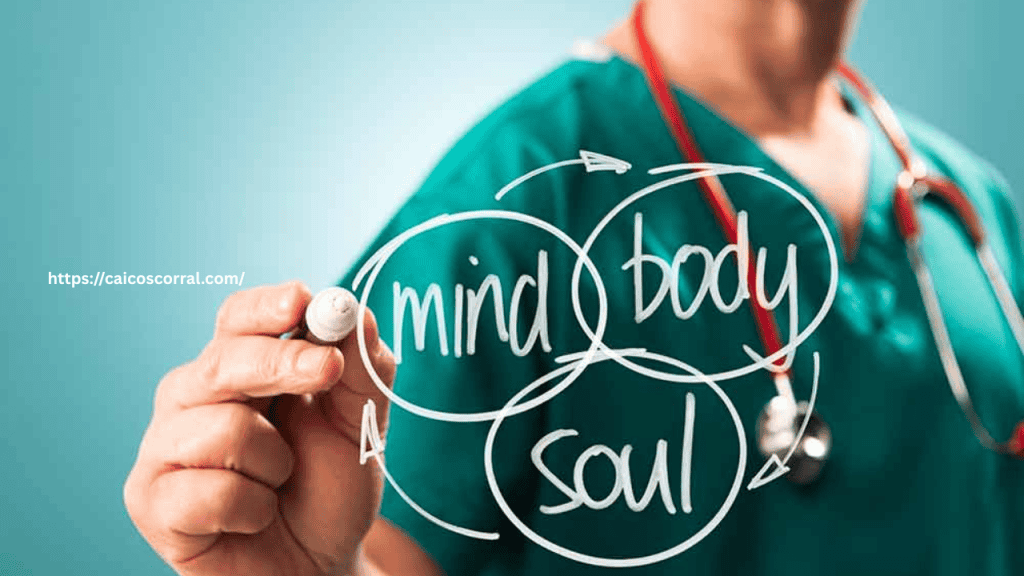
Drug addiction recovery is a deeply personal journey, and for many individuals, a holistic approach can offer profound benefits. Holistic healing focuses on treating the whole person—mind, body, and spirit—rather than just the symptoms of addiction. While traditional treatments like detox, medication, and behavioral therapy remain essential, alternative therapies can complement these methods and support long-term sobriety.
What is Holistic Healing?
Holistic healing involves practices that promote overall wellness and balance. It recognizes that physical health, emotional well-being, mental clarity, and spiritual fulfillment are interconnected. In addiction recovery, holistic therapies aim to restore this balance, reduce stress, and improve quality of life, making individuals more resilient against relapse.
Popular Holistic Therapies in Addiction Recovery
- Yoga and Meditation Yoga combines physical movement, breath control, and mindfulness to reduce stress and enhance self-awareness. Meditation helps individuals center their thoughts, manage cravings, and cultivate a calm mental state. Together, they encourage a deeper connection between the mind and body, fostering inner peace and emotional stability.
- Acupuncture An ancient Chinese practice, acupuncture involves inserting thin needles into specific points on the body to restore energy flow. In addiction recovery, acupuncture is often used to reduce withdrawal symptoms, relieve anxiety, and improve sleep quality. It may also help balance the body’s systems and promote healing.
- Massage Therapy Massage therapy can alleviate physical tension and emotional stress, which are common in early recovery. It improves circulation, reduces anxiety, and releases endorphins—the body’s natural feel-good chemicals. Regular massages can help individuals feel more relaxed and connected to their bodies.
- Art and Music Therapy Creative therapies like art and music offer nonverbal ways to express emotions, process trauma, and explore identity. These therapies encourage self-expression and can uncover underlying issues that contribute to substance use. Creating art or playing music can be both therapeutic and empowering.
- Nutritional Therapy Substance abuse often depletes the body of essential nutrients. Nutritional therapy focuses on restoring physical health through a balanced diet, supplements, and education about healthy eating. Proper nutrition supports brain function, improves mood, and increases energy levels, all of which are vital for recovery.
- Equine Therapy Working with horses in a therapeutic setting helps individuals develop trust, communication skills, and emotional awareness. Equine therapy can be particularly effective for those who struggle with traditional talk therapies, offering a unique and calming environment for personal growth.
Benefits of a Holistic Approach
Incorporating holistic therapies into a recovery plan offers several benefits:
- Enhances emotional and physical well-being
- Promotes stress reduction and relaxation
- Improves self-awareness and coping skills
- Encourages personal growth and spiritual healing
These therapies are not meant to replace traditional treatments but to enhance them, creating a well-rounded recovery experience.
Conclusion
Holistic healing offers a compassionate and comprehensive path to addiction recovery. By addressing the mind, body, and spirit, alternative therapies can empower individuals to heal on multiple levels. When combined with conventional treatments, holistic approaches foster resilience, self-discovery, and a more balanced, fulfilling life free from addiction.