
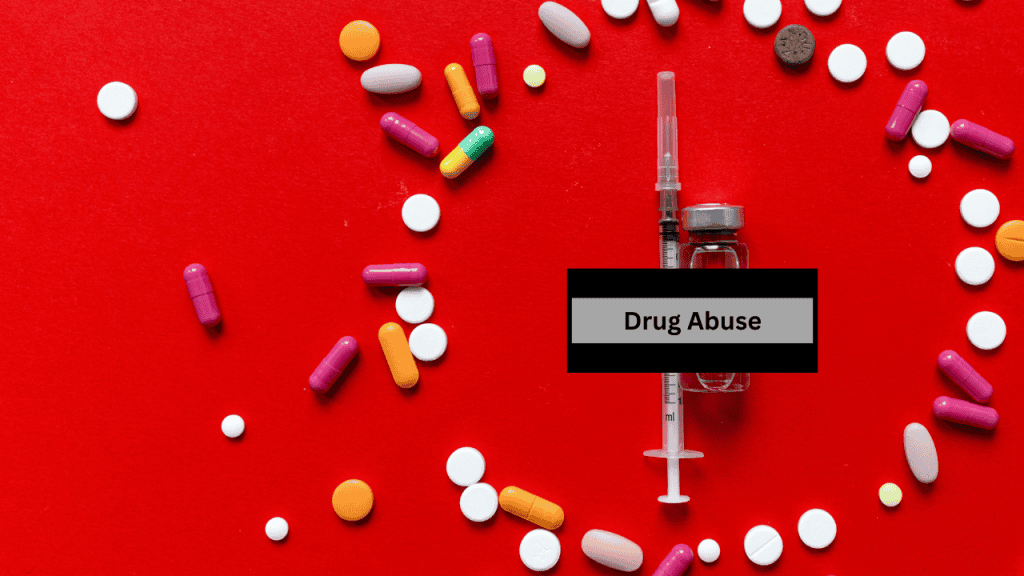
Drug abuse is a multifaceted issue that affects individuals and societies in profound ways. To effectively address this crisis, it’s crucial to understand its underlying causes, its wide-ranging effects, and the various treatment strategies available.
Causes of Drug Abuse
The causes of drug abuse are diverse and complex, often involving an interplay of genetic, psychological, and environmental factors. Genetics can play a significant role; individuals with a family history of substance abuse are at a higher risk of developing similar issues. This genetic predisposition can affect how a person responds to drugs and their likelihood of becoming addicted.
Psychological factors are also critical. Many people turn to drugs as a form of self-medication to cope with mental health issues such as anxiety, depression, or trauma. The relief that drugs provide, however, is often temporary and can exacerbate the underlying issues, creating a vicious cycle of dependence.
Environmental factors, including peer pressure, family dynamics, and socioeconomic conditions, also contribute to drug abuse. Adolescents and young adults are particularly vulnerable to peer influence, and those from unstable or abusive family backgrounds may use drugs as a means of escape. Additionally, socioeconomic disadvantages, such as poverty and lack of access to education, can increase the likelihood of drug abuse.
Effects of Drug Abuse
The effects of drug abuse are extensive and can impact nearly every aspect of an individual’s life. Physically, drug abuse can lead to severe health problems, including cardiovascular disease, liver damage, respiratory issues, and neurological impairments. The specific effects often depend on the type of drug used, with some substances causing irreversible damage.
Mentally, drug abuse can lead to cognitive impairments, emotional instability, and psychiatric disorders. Long-term use can impair memory, decision-making abilities, and overall mental function, making it difficult for individuals to maintain employment or relationships. The psychological toll often manifests in increased anxiety, depression, and even suicidal tendencies.
Socially, drug abuse can strain relationships with family and friends, lead to legal problems, and result in financial difficulties. The stigma associated with drug abuse can further isolate individuals, making it harder for them to seek help and support.
Treatment Strategies
Addressing drug abuse requires a comprehensive approach that considers the individual’s physical, psychological, and social needs. Effective treatment strategies often involve a combination of medical, therapeutic, and support services.
Medical treatments typically include detoxification, which helps individuals safely manage withdrawal symptoms, and medications that can reduce cravings and withdrawal effects. For example, methadone and buprenorphine are used to treat opioid addiction, while naltrexone can help prevent relapse.
Therapeutic interventions are crucial for addressing the psychological aspects of addiction. Cognitive-behavioral therapy (CBT) is widely used to help individuals identify and change negative thought patterns and behaviors associated with drug abuse. Other therapeutic approaches, such as contingency management and motivational interviewing, can also be effective in encouraging positive behavior changes and supporting recovery.
Support services, including group therapy and support groups, play an essential role in providing social support and reducing feelings of isolation. Programs such as Narcotics Anonymous offer a network of individuals who share similar experiences, providing mutual encouragement and accountability.
Additionally, holistic approaches that integrate physical, emotional, and spiritual well-being can enhance treatment outcomes. Programs that include yoga, meditation, and nutrition counseling can support overall health and resilience, complementing traditional treatment methods.
In conclusion, understanding the complexities of drug abuse involves recognizing the intricate web of causes, the broad spectrum of effects, and the multifaceted nature of treatment strategies. By addressing these factors comprehensively, we can better support individuals on their path to recovery and work towards mitigating the impact of drug abuse on society.