Teen Drug Abuse and Mental Health: Why Early Intervention Matters

Teen drug abuse and mental health challenges are closely intertwined. Adolescence is a period of intense growth and change, and many teens struggle to cope with stress, anxiety, depression, or trauma. For some, substances become a way to self-medicate or escape emotional pain. Early intervention is critical because addressing both substance use and mental health simultaneously significantly improves outcomes. At Caicos Corral, we provide individualized care that integrates mental health treatment with comprehensive addiction recovery services to support teens and their families.

The Connection Between Teen Substance Use and Mental Health

Substance use in teens often co-occurs with mental health conditions. Teens experiencing anxiety, depression, trauma, or attention disorders are more vulnerable to experimenting with drugs or alcohol. Conversely, drug use can worsen underlying mental health issues, creating a cycle that is difficult to break without professional help. Recognizing this connection allows parents, educators, and clinicians to intervene early and prevent escalation.

Why Teens Turn to Substances

  • To cope with stress, anxiety, or depression
  • To fit in with peers or respond to social pressure
  • As a form of self-medication for emotional or behavioral challenges
  • Curiosity or experimentation without understanding potential consequences

Warning Signs Parents Should Watch For

Early detection of drug use and mental health struggles can prevent long-term consequences. Some key warning signs include:

Behavioral Changes

  • Sudden withdrawal from family or friends
  • Loss of interest in previously enjoyed activities
  • Secretive or dishonest behavior
  • Declining academic performance

Emotional Changes

  • Increased irritability, anger, or mood swings
  • Signs of depression or persistent anxiety
  • Paranoia, fearfulness, or unusual worries

Physical Signs

  • Changes in sleeping or eating habits
  • Bloodshot eyes or unusual body odors
  • Unexplained injuries or frequent illnesses

The Importance of Early Intervention

Addressing substance use and mental health challenges early dramatically improves recovery outcomes. Early intervention allows for:

  • Accurate diagnosis of co-occurring conditions
  • Implementation of individualized treatment plans
  • Prevention of long-term addiction and mental health complications
  • Support for families navigating complex emotional and behavioral issues

Comprehensive Treatment Approaches

At Caicos Corral, we offer a range of treatment options tailored to each teen’s needs, integrating both mental health and substance use care.

Inpatient and Outpatient Programs

Inpatient care provides a structured, supportive environment for teens in crisis, while outpatient programs offer flexibility for continued care while maintaining school and family life.

Therapy and Counseling

Evidence-based therapies such as cognitive behavioral therapy (CBT) and trauma-informed counseling address both addiction and underlying mental health conditions. Individual, group, and family therapy ensure a holistic approach to healing.

Holistic and Faith-Based Support

Holistic practices, including mindfulness, equine therapy, and faith-based guidance, complement traditional treatments by nurturing emotional, spiritual, and physical well-being.

Taking Action Early

Teen drug abuse and mental health issues are deeply connected, but early recognition and intervention can change the trajectory of a young person’s life. Families who act quickly can prevent the progression of substance use and support long-term recovery. At Caicos Corral, we provide compassionate, individualized care to help teens heal and thrive. If you are concerned about your teen’s well-being, reach out today to learn how we can support your family on the journey to recovery and resilience.

Prevention Starts at Home: Building Stronger Families Against Teen Drug Abuse

Teen drug abuse is a growing concern for parents, educators, and communities. While schools and community programs play a role in prevention, research consistently shows that the strongest line of defense starts at home. A supportive, connected family environment can protect teens from the pressures that often lead to experimentation with drugs or alcohol. At Caicos Corral, we believe that prevention is most effective when families are empowered with knowledge, strategies, and compassionate support.

Why Family Connection Matters

The teenage years are a time of independence and self-discovery, but they are also a vulnerable period. Teens who feel isolated, misunderstood, or unsupported are more likely to seek comfort or acceptance through risky behaviors. A strong family bond provides a sense of belonging and security that reduces the appeal of substances.

The Role of Communication

Open and honest communication builds trust between parents and teens. Regular conversations about school, friendships, and emotions create opportunities to address challenges before they escalate. Talking about the dangers of drugs in a calm, factual way allows teens to make informed choices. More importantly, when teens know they can come to their parents without fear of judgment, they are more likely to share their struggles.

Practical Steps for Parents

Set Clear Expectations and Boundaries

Teens thrive when they understand what is expected of them. Establishing clear rules around substance use, curfews, and responsibilities provides structure. Consistency in enforcing boundaries builds accountability while showing that parents care about their teen’s well-being.

Model Healthy Behavior

Parents are powerful role models. Demonstrating healthy coping strategies, balanced living, and responsible choices teaches teens how to navigate stress without turning to substances. Actions often speak louder than words.

Encourage Positive Activities

A teen engaged in meaningful activities has less time and desire to experiment with drugs. Encourage involvement in sports, arts, volunteering, or faith-based programs. These outlets foster self-esteem, resilience, and a supportive peer group.

Be Aware of Warning Signs

Even in strong families, challenges can arise. Watch for changes in mood, academic performance, or social circles. Early recognition of red flags such as secrecy, irritability, or unexplained physical changes allows for timely intervention.

When Professional Support Is Needed

Sometimes, despite parents’ best efforts, teens may still experiment with substances. In these cases, professional support can make the difference between a short-term setback and a long-term struggle. Caicos Corral offers inpatient and outpatient programs designed to support teens and their families. Our holistic and faith-based care integrates therapy, education, and spiritual renewal to help young people heal in body, mind, and spirit.

Families as the Foundation of Prevention

Preventing teen drug abuse begins with strong family connections. By fostering open communication, setting clear expectations, and encouraging positive activities, parents can create a protective environment that empowers teens to make healthy choices. When extra support is needed, Caicos Corral is here to walk alongside families with compassion, expertise, and hope. If you are concerned about your teen, reach out today to learn more about how we can support your family on the path to healing and resilience.

From Curiosity to Crisis: Understanding the Risks of Teen Substance Use

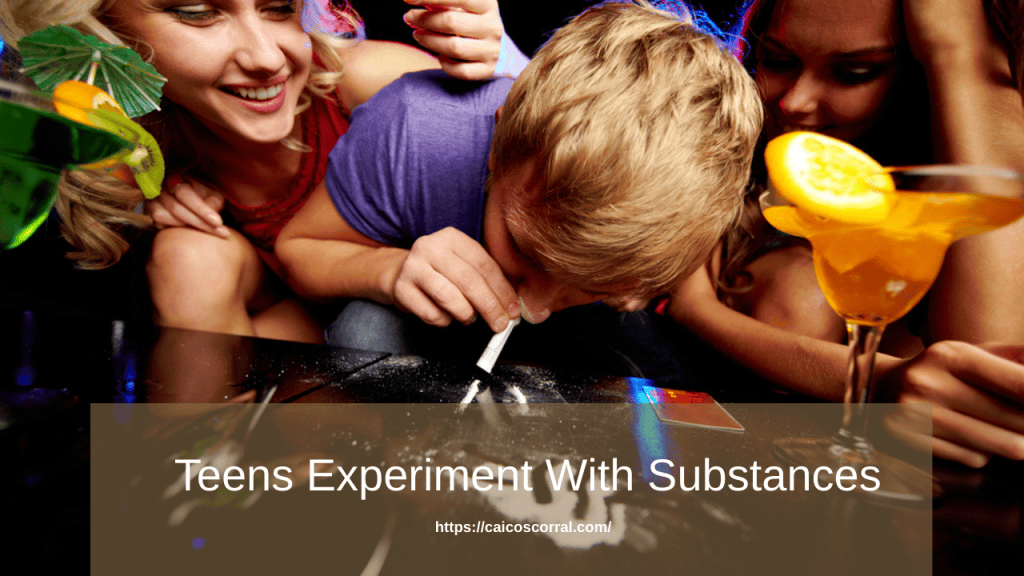
Teenagers are naturally curious, often exploring new experiences as they grow toward independence. While curiosity can be healthy, it can also lead to risky behavior, including experimentation with drugs or alcohol. What may start as a moment of curiosity can quickly develop into a serious crisis with lasting consequences. At Caicos Corral, we know how critical it is for families to understand the risks of teen substance use and to take proactive steps to protect their loved ones.

Why Teens Experiment With Substances

Adolescence is a time of physical, emotional, and social change. Many teens try substances to fit in with peers, manage stress, or seek excitement. Others may turn to drugs or alcohol to escape difficult emotions such as anxiety, depression, or low self-esteem. Unfortunately, the teenage brain is still developing, making it more vulnerable to the harmful effects of drugs and more likely to form addictive patterns.

The Dangers of Teen Substance Use

Even occasional use carries risks for teens. Their bodies and minds are more sensitive to drugs and alcohol, which can lead to harmful consequences much faster than in adults.

Physical Risks

  • Impaired brain development, particularly in areas tied to judgment and impulse control
  • Increased risk of accidents, injuries, or risky behaviors
  • Long-term health issues such as liver damage or heart problems

Emotional and Mental Health Risks

  • Worsening of underlying conditions like anxiety or depression
  • Higher likelihood of developing substance use disorders later in life
  • Emotional instability, irritability, or withdrawal from family and friends

Social and Academic Risks

  • Decline in academic performance or loss of interest in school
  • Strained relationships with family members or peers
  • Legal troubles and disciplinary action

Warning Signs Parents Should Watch For

Early detection can prevent a crisis. Parents and caregivers should be alert to sudden changes in mood, behavior, or physical health. Common red flags include secretive behavior, withdrawal from family activities, declining grades, bloodshot eyes, unexplained weight changes, or new friend groups that appear risky.

Prevention Starts With Connection

The best prevention strategy is building strong, open relationships with teens. Parents can:

  • Encourage honest conversations about stress, peer pressure, and choices
  • Model healthy coping skills and responsible behavior
  • Set clear expectations about drug and alcohol use
  • Provide positive outlets through sports, arts, or faith-based activities

A supportive home environment creates resilience and reduces the appeal of substances.

When Professional Help Is Needed

Sometimes curiosity has already progressed into substance misuse. In these cases, professional treatment is essential. At Caicos Corral, we offer comprehensive inpatient and outpatient programs that address both substance use and underlying mental health challenges. Our holistic and faith-based approaches include therapy, family involvement, and integrative practices such as equine therapy and mindfulness to heal the whole person.

Turning Curiosity Into Growth

Teen substance use can quickly spiral from experimentation into crisis, but with awareness, prevention, and the right support, families can turn the tide. Recognizing the risks, building open communication, and seeking help early are powerful steps toward protecting teens and guiding them toward a healthy, fulfilling future. If your family is facing these challenges, Caicos Corral is here to walk alongside you with compassion and expertise. Reach out today to learn more about how we can support your teen’s path to recovery and resilience.

A Parent’s Guide to Preventing Teen Drug Abuse: Practical Steps That Work

Teen drug abuse is a growing concern for families across the country. Adolescence is a time of exploration, curiosity, and sometimes risk-taking, making teens more susceptible to experimenting with drugs. For parents, understanding the risks and taking proactive measures can make all the difference in preventing substance use before it becomes a problem. At Caicos Corral, we provide compassionate, individualized guidance to families seeking to protect their teens and support healthy development.

Understanding the Risks of Teen Drug Abuse

Before parents can effectively prevent drug abuse, it is important to understand why teens may be drawn to substances. Common factors include peer pressure, stress, curiosity, or attempts to cope with mental health challenges such as anxiety or depression. A teen may also use drugs to self-medicate emotional pain, trauma, or low self-esteem. Recognizing these risk factors allows parents to intervene thoughtfully and proactively.

Building a Strong Foundation at Home

Open and Honest Communication

Creating a safe space for conversations is essential. Encourage your teen to express their feelings, challenges, and questions without fear of judgment. Discuss the dangers of drugs in a way that is informative and compassionate rather than punitive. Regular, calm discussions about substance use reinforce trust and openness.

Modeling Healthy Behavior

Teens often mirror the behaviors of adults around them. Demonstrating healthy coping mechanisms for stress, conflict resolution, and emotional expression sets a positive example. Showing consistency in your own choices reinforces the values you hope to instill.

Establishing Clear Expectations and Boundaries

Set clear rules regarding substance use and explain the reasons behind them. Consistency and follow-through are key. Teens respond well to boundaries that are fair, reasonable, and clearly communicated. Reinforcing expectations helps reduce risky behavior and promotes accountability.

Encouraging Positive Activities

Providing teens with constructive ways to spend their time reduces opportunities for experimentation. Encourage involvement in sports, arts, volunteer work, or faith-based activities that align with your family’s values. Structured schedules and engagement in meaningful activities promote self-esteem, social connection, and resilience against peer pressure.

Recognizing Early Warning Signs

Even with preventive measures, it is important to remain vigilant. Early warning signs may include sudden changes in behavior, declining grades, withdrawal from family or friends, mood swings, secretive behavior, or unexplained physical changes. Observing these signs early allows for timely intervention before patterns of substance use develop.

Seeking Professional Support When Needed

Sometimes preventive measures are not enough, and professional guidance becomes necessary. Caicos Corral offers comprehensive mental health and addiction services, including inpatient and outpatient care, individualized therapy, and holistic support. Early intervention with trained professionals can prevent escalation and provide teens with the skills they need to make healthy choices.

Empowering Parents to Protect Their Teens

Preventing teen drug abuse requires awareness, proactive communication, and consistent support. By fostering open dialogue, modeling healthy behavior, and encouraging positive activities, parents can significantly reduce the risk of substance use. When additional help is needed, reaching out to compassionate professionals at Caicos Corral ensures that teens receive the guidance and care they need for lasting well-being. Take the first step today by connecting with our team and giving your teen the best chance at a healthy, drug-free future.

Teen Drug Abuse: How to Recognize the Early Warning Signs Before It’s Too Late

Teen drug abuse is one of the most pressing challenges facing families today. With social pressures, academic stress, and easy access to substances, many adolescents find themselves experimenting with drugs before they fully understand the consequences. Early recognition of warning signs is critical. Parents, caregivers, and educators who can identify changes in behavior or health can intervene before experimentation escalates into dependency. At Caicos Corral, we are committed to helping families understand the risks and providing the support needed to guide teens back to health.

Understanding Why Teens Turn to Drugs

Adolescence is a period of rapid change. Teens may feel pressure to fit in with peers, manage academic expectations, or cope with unresolved emotional pain. Some turn to drugs as a way to escape stress, numb difficult feelings, or boost social confidence. Others may experiment out of curiosity without realizing the potential for addiction. Recognizing these motivators helps parents approach the issue with empathy rather than judgment.

Early Warning Signs of Teen Drug Abuse

Spotting drug use early can make all the difference in treatment outcomes. Some warning signs are physical, while others show up in mood, behavior, or performance.

Physical Signs

  • Sudden weight changes or loss of appetite
  • Frequent red eyes or dilated pupils
  • Neglect of personal hygiene or appearance
  • Unexplained injuries or frequent illnesses

Behavioral Signs

  • Withdrawal from family activities or long-time friends
  • Declining performance at school or loss of interest in hobbies
  • Secretive behavior, lying, or stealing
  • Changes in sleep patterns, including staying out late or excessive tiredness

Emotional Signs

  • Sudden mood swings or unexplained irritability
  • Increased anxiety, depression, or paranoia
  • A noticeable loss of motivation or apathy

Parents should note that while some of these changes may reflect normal teenage development, a cluster of these behaviors can signal deeper concerns.

How to Prevent Teen Drug Abuse

Prevention begins with open, honest communication. Teens who feel heard and supported are less likely to hide struggles. Parents should:

  • Foster trust and encourage conversations about peer pressure and choices
  • Model healthy coping strategies and responsible behavior
  • Stay involved in their teen’s academic and social life
  • Establish clear expectations and boundaries regarding substance use

Faith-based guidance and holistic family practices can also build resilience. Activities like family meals, outdoor recreation, and spiritual connection provide stability during an often turbulent life stage.

Treatment Options for Teens Struggling with Substance Use

If warning signs are present, professional help may be necessary. At Caicos Corral, we provide a range of treatment options tailored to the needs of teens and their families.

Inpatient Treatment

A structured environment offers stability, safety, and intensive support for teens who need to step away from risky influences.

Outpatient Care

Flexible therapy sessions and support groups allow teens to maintain school and family life while receiving professional guidance.

Holistic and Faith-Based Approaches

Programs that combine counseling with holistic practices, such as equine therapy, mindfulness, and spiritual renewal, treat the whole person, not just the addiction.

Take Action Before It’s Too Late

Teen drug abuse does not have to define a young person’s future. Recognizing the early signs and seeking help quickly can make the path to recovery much smoother. At Caicos Corral, we provide compassionate, personalized care that supports both teens and their families through every stage of healing. If you suspect your child may be struggling with substance use, reach out today. Together, we can guide your teen toward hope, strength, and a healthier tomorrow.

Healing from Within: How Holistic Recovery Transforms Addiction in Turks & Caicos

A New Path to Recovery in Paradise

In the serene beauty of Turks & Caicos, recovery takes on a deeper meaning. At Caicos Corral, healing is not limited to addressing symptoms of addiction. Instead, it is about guiding individuals toward complete restoration of mind, body, and spirit. This holistic approach recognizes that lasting sobriety is built on more than detox and treatment—it grows from within, rooted in personal transformation and sustained by compassionate care.

Understanding the Holistic Approach

Holistic recovery focuses on treating the whole person, not just the addiction. At Caicos Corral, this means integrating evidence-based therapies with spiritual guidance, wellness practices, and personalized treatment plans. By addressing the emotional, physical, and spiritual needs of each individual, the center empowers clients to rebuild their lives with confidence and clarity.

The Mind: Mental and Emotional Healing

Mental health challenges often accompany addiction. Holistic care prioritizes emotional well-being through counseling, cognitive-behavioral therapy, and mindfulness practices. These tools help clients manage stress, overcome negative thought patterns, and develop resilience. By creating a supportive environment, Caicos Corral ensures that individuals feel heard, understood, and valued throughout their recovery journey.

The Body: Restoring Physical Wellness

Addiction can take a serious toll on the body. Recovery at Caicos Corral includes nutritional guidance, exercise programs, and natural therapies to help restore physical health. A healthy body supports a healthy mind, making physical wellness an essential part of the holistic healing process.

The Spirit: Faith-Based and Purpose-Driven Care

Faith and spiritual connection can be powerful forces in recovery. Caicos Corral offers faith-based support for those who wish to draw strength from their beliefs. Clients are encouraged to explore their sense of purpose, rebuild self-worth, and foster a deeper connection to their values.

Inpatient and Outpatient Options for Every Need

Every recovery journey is unique. Some individuals need the structure and round-the-clock care of inpatient treatment, while others benefit from the flexibility of outpatient programs. Caicos Corral provides both, ensuring that care fits the individual’s lifestyle, responsibilities, and stage of recovery.

Why Holistic Recovery Works

Holistic recovery is effective because it recognizes that addiction is complex. It is rarely caused by a single factor, and it cannot be fully resolved by addressing only one aspect of a person’s life. By combining therapeutic care, physical restoration, and spiritual guidance, individuals are given the tools to maintain long-term sobriety and live a life of purpose.

Taking the First Step Toward Healing

Recovery is not just about breaking free from addiction—it is about building a life worth living. At Caicos Corral, the focus is on helping each person discover their inner strength and achieve lasting wellness. If you or someone you love is struggling with addiction, now is the time to reach out and begin the journey toward healing from within.

Contact Caicos Corral today to take the first step toward a brighter, healthier future.

The Future of Addiction Treatment: Innovations in Recovery Programs

The landscape of addiction treatment is changing rapidly, and for good reason. With rising rates of substance use and mental health challenges, treatment centers must evolve to meet the complex needs of individuals seeking help. At Caicos Corral, we believe the future of addiction recovery lies in compassionate, evidence-based care that treats the whole person. From cutting-edge therapies to deeply personalized programs, the next generation of recovery services is here—and it offers real hope.

The Shift Toward Personalized, Holistic Treatment

Traditional, one-size-fits-all rehab models are no longer enough. Modern addiction treatment embraces a more holistic and individualized approach that looks at more than just substance use. It considers the underlying causes—trauma, co-occurring mental health disorders, spiritual disconnection, and physical imbalances.

At Caicos Corral, our programs are designed to meet individuals where they are. Whether you need inpatient stability, flexible outpatient care, or spiritual renewal, we tailor your path to recovery based on your unique story. Holistic therapies such as equine-assisted therapy, yoga, and nutritional counseling now complement evidence-based methods to support total wellness.

Innovative Therapies That Are Transforming Recovery

1. Neurofeedback and Brain Mapping

Advanced neuroscience is making waves in addiction recovery. Neurofeedback and brain mapping can help retrain the brain’s response to stress, anxiety, and cravings. These noninvasive tools provide real-time insights into brain activity and can significantly enhance therapy outcomes.

2. Virtual Therapy and Telehealth Access

Technology is increasing access to care, especially for individuals in rural areas or with mobility challenges. Telehealth counseling, virtual group meetings, and app-based recovery tools make support more accessible and consistent. This digital flexibility means that recovery doesn’t have to stop when life gets busy.

3. Faith-Based and Spiritual Integration

For many individuals, healing requires more than just physical sobriety. Spiritual restoration is a powerful part of long-term recovery. Programs that integrate faith-based principles, daily devotional practices, and pastoral counseling offer deeper transformation and purpose-driven healing.

The Role of Mental Health in Recovery

Mental health and addiction are often intertwined. Innovative recovery programs now prioritize dual-diagnosis treatment to address both substance use and underlying conditions like depression, anxiety, or PTSD. At Caicos Corral, our clinical team works closely with clients to manage mental health symptoms while guiding them toward lasting recovery.

Comprehensive care plans may include cognitive behavioral therapy (CBT), trauma-informed counseling, medication management, and creative therapies that allow for emotional expression and healing.

Inpatient, Outpatient, and Beyond: Recovery on Your Terms

Another key innovation in modern recovery is flexibility. No two journeys look the same, which is why offering levels of care is essential. Inpatient programs provide immersive support for those in crisis or early recovery. Outpatient services offer continued structure while allowing clients to rebuild their lives. Aftercare planning, relapse prevention, and alumni support ensure that individuals are never alone in their recovery journey.

Conclusion: A New Era of Healing Starts Here

The future of addiction treatment is not only about innovation—it’s about compassion, understanding, and treating every person with dignity. At Caicos Corral, we are proud to lead the way in creating recovery programs that are deeply human, clinically sound, and spiritually grounded.

If you or a loved one is ready to take the first step toward healing, we are here to walk with you. Reach out today to learn more about our customized programs and start building a future free from addiction.

Teen Drug Abuse: Warning Signs, Prevention, and Treatment Options

Teen drug abuse is a growing concern that affects families, schools, and communities worldwide. Adolescence is a critical period of development, and experimenting with drugs can lead to serious consequences. Recognizing the warning signs, understanding prevention strategies, and knowing the available treatment options are essential for supporting teens and guiding them toward a healthier future.

Warning Signs of Teen Drug Abuse

Detecting drug abuse early can prevent addiction and long-term health issues. Parents, teachers, and caregivers should be aware of the following common warning signs:

  • Behavioral Changes: Sudden mood swings, withdrawal from family or friends, loss of interest in activities, and declining academic performance can signal substance use.
  • Physical Symptoms: Bloodshot eyes, sudden weight changes, poor hygiene, or unusual smells on breath or clothing may indicate drug use.
  • Emotional Instability: Increased irritability, anxiety, depression, or paranoia are often linked to substance abuse.
  • Secretive Behavior: Teens may become secretive about their whereabouts, activities, or relationships, and may lie or steal to support drug use.
  • Changes in Social Circles: Hanging out with a new group of friends, especially those known for using substances, is a red flag.

Prevention Strategies

Preventing teen drug abuse requires a proactive and supportive approach. The following strategies can help reduce the risk of substance use:

  • Open Communication: Honest, non-judgmental conversations about the dangers of drugs create a safe space for teens to express their feelings and ask questions.
  • Education: Teaching teens about the short- and long-term effects of drug use can deter experimentation. Schools and community programs should provide accurate, age-appropriate information.
  • Parental Involvement: Active parental engagement in a teen’s life reduces the risk of substance abuse. Setting clear rules, monitoring activities, and being present in a teen’s daily routine promotes trust and accountability.
  • Healthy Activities: Encouraging teens to participate in sports, hobbies, and volunteer work provides positive outlets for stress and peer interaction.
  • Peer Support and Role Models: Surrounding teens with positive role models and supportive friends helps build resilience against peer pressure.

Treatment Options for Teen Drug Abuse

If a teen is already struggling with substance use, early intervention is key. There are several effective treatment options:

  • Counseling and Therapy: Individual and family therapy can help teens address the emotional issues behind drug use. Cognitive Behavioral Therapy (CBT) is particularly effective in changing harmful thought patterns.
  • Support Groups: Peer support groups, such as Teen Narcotics Anonymous or local recovery programs, provide a sense of community and shared experience.
  • Inpatient and Outpatient Programs: Depending on the severity of the addiction, structured treatment programs may be recommended. Inpatient rehab offers intensive care, while outpatient programs provide flexible treatment while allowing teens to continue with school.
  • Medication-Assisted Treatment (MAT): In cases of opioid abuse, MAT may be used alongside therapy to manage withdrawal and reduce cravings.

Conclusion

Teen drug abuse is a serious issue, but with early detection, preventive education, and accessible treatment, recovery is possible. By fostering open communication, offering support, and promoting healthy lifestyles, families and communities can help teens avoid the dangers of substance abuse and lead fulfilling, drug-free lives.

Relapse Prevention: How to Stay Strong in Long-Term Sobriety

Achieving sobriety is a significant milestone in addiction recovery, but maintaining it over the long term requires ongoing effort and dedication. Relapse is a common challenge in recovery, often seen not as a failure but as part of the healing process. However, with effective strategies and strong support systems, individuals can significantly reduce the risk of relapse and stay committed to a sober life.

Understanding Relapse

Relapse is a return to substance use after a period of abstinence. It often follows a gradual process that includes emotional, mental, and physical stages. Emotional relapse involves suppressed feelings and isolation, mental relapse includes internal struggle and temptation, and physical relapse is the actual act of using. Recognizing the early signs of relapse is key to preventing a full return to substance use.

Developing a Relapse Prevention Plan

A structured relapse prevention plan helps individuals identify triggers, establish coping strategies, and set clear goals for recovery. This plan should be personalized and include the following elements:

  • Identifying Triggers: Common triggers include stress, boredom, social pressure, and exposure to environments associated with past use. By recognizing these triggers, individuals can avoid or manage them effectively.
  • Coping Strategies: Healthy ways to deal with stress and cravings include deep breathing, journaling, physical activity, and reaching out to a support person. Practicing mindfulness and relaxation techniques also helps maintain emotional balance.
  • Support Network: Staying connected to a supportive community is essential. This includes sponsors, therapists, recovery groups, and trusted friends or family members who understand the journey.

Staying Active and Engaged

A fulfilling lifestyle can serve as a strong foundation for sobriety. Engaging in activities that promote mental, physical, and emotional well-being reinforces healthy habits:

  • Exercise and Nutrition: Regular physical activity and a balanced diet enhance mood and energy levels.
  • Hobbies and Interests: Exploring creative outlets, volunteering, or learning new skills provides purpose and satisfaction.
  • Goal Setting: Setting short- and long-term goals helps maintain focus and a sense of achievement.

Ongoing Therapy and Counseling

Continuing therapy after initial treatment is crucial for long-term success. Cognitive Behavioral Therapy (CBT), group therapy, and individual counseling help address lingering emotional issues, develop new coping mechanisms, and reinforce positive behavior. Therapy also provides a safe space to discuss challenges and receive guidance.

Being Prepared for Setbacks

Setbacks may happen, but they don’t have to derail recovery. It’s important to view relapse as an opportunity to learn and strengthen one’s approach. Seeking immediate help, revisiting the relapse prevention plan, and recommitting to sobriety are constructive ways to move forward.

Conclusion

Relapse prevention is a vital part of the recovery journey. With self-awareness, proactive planning, and consistent support, individuals can stay strong in their sobriety. By focusing on personal growth, healthy relationships, and purposeful living, those in recovery can build a resilient and rewarding life free from addiction.

The Stigma of Addiction: How Society Can Support Recovery, Not Shame

Addiction is a complex health condition, not a moral failing or a lack of willpower. Yet, individuals struggling with substance use disorders often face harsh judgment and discrimination from society. The stigma of addiction creates significant barriers to recovery, preventing many people from seeking the help they need. By shifting societal attitudes and offering compassionate support, we can create an environment that fosters healing rather than shame.

Understanding the Stigma of Addiction

Stigma refers to negative beliefs, stereotypes, and attitudes directed at individuals with certain conditions—in this case, addiction. People with substance use disorders are often labeled as weak, irresponsible, or dangerous. These misconceptions ignore the scientific reality that addiction is a chronic brain disease influenced by genetics, environment, and mental health. The stigma extends beyond individuals to affect families, creating isolation and deep emotional wounds.

Consequences of Stigma

The stigma surrounding addiction has far-reaching consequences. It discourages individuals from admitting they have a problem or seeking treatment, for fear of judgment, rejection, or discrimination. This can lead to prolonged substance use, worsening health, and increased risk of overdose. Stigma also influences healthcare, employment, and housing opportunities, making it harder for people in recovery to rebuild their lives. In some cases, it contributes to policies that prioritize punishment over treatment, further marginalizing those affected.

How Society Can Break the Stigma

  1. Promote Education and Awareness Public education campaigns can help dispel myths about addiction and highlight it as a medical condition. Understanding the science behind substance use disorders fosters empathy and reduces blame. Schools, workplaces, and community organizations can play a role in spreading accurate information.
  2. Use Compassionate Language Words matter. Instead of terms like “addict” or “junkie,” using person-first language—such as “person with a substance use disorder”—acknowledges the individual beyond their condition. This small change can shift perceptions and encourage dignity and respect.
  3. Support Recovery-Friendly Policies Governments and institutions can combat stigma by promoting policies that emphasize treatment and rehabilitation over punishment. Expanding access to mental health services, medication-assisted treatment, and harm reduction programs shows a commitment to recovery rather than judgment.
  4. Celebrate Recovery Stories Sharing stories of hope and success can challenge negative stereotypes. When people in recovery are visible and celebrated, it helps normalize the idea that recovery is possible and that those affected by addiction deserve support.
  5. Engage in Compassionate Action Individuals can help by offering nonjudgmental support to friends, family, or community members affected by addiction. Volunteering with recovery organizations, advocating for mental health funding, or simply listening without prejudice can make a difference.

Conclusion

The stigma of addiction is a major obstacle to recovery, but it is one that society has the power to dismantle. By fostering understanding, compassion, and evidence-based support, we can replace shame with hope. Every person struggling with addiction deserves the chance to heal, and it begins with creating a world that lifts people up rather than pushes them down.