Faith, Family, and Recovery: Why Spiritual & Personal Support Strengthens Addiction Treatment

Addiction rarely develops in isolation, and recovery does not succeed in isolation either. For many individuals and families, lasting healing comes when treatment addresses not only substance use, but also the emotional, relational, and spiritual roots behind it. At Caicos Corral, recovery is viewed as a whole person journey, where faith, family, and personal support work together to strengthen addiction treatment and promote long term change.

Addiction Is More Than a Physical Condition

Substance use disorders affect the mind, body, and spirit. While detox and clinical treatment are essential first steps, they are often not enough on their own. Many people struggling with addiction carry deep emotional pain, unresolved trauma, broken relationships, or a loss of purpose. Without addressing these areas, the risk of relapse remains high.

A comprehensive recovery approach recognizes that healing must reach beyond symptoms. Mental health treatment, emotional support, and spiritual guidance help individuals rebuild their sense of identity and direction. When these elements are integrated into care, recovery becomes more meaningful and sustainable.

The Role of Faith in Addiction Recovery

Restoring Hope and Purpose

Faith based recovery offers something many individuals feel they have lost during addiction: hope. Spiritual support helps people reconnect with values, meaning, and a sense of purpose greater than themselves. This perspective often provides strength during difficult moments and encourages accountability rooted in personal belief rather than fear.

Faith also supports emotional healing. Practices such as prayer, reflection, and spiritual counseling can reduce feelings of shame and isolation. They remind individuals that recovery is possible and that they are worthy of healing.

Supporting Emotional and Mental Wellness

Many people in recovery also struggle with anxiety, depression, or unresolved trauma. Spiritual support complements mental health treatment by encouraging inner peace, forgiveness, and self compassion. When faith based guidance works alongside clinical therapy, individuals gain tools that support both emotional stability and personal growth.

Why Family Involvement Matters

Healing Relationships Alongside the Individual

Addiction impacts the entire family system. Trust may be broken, communication strained, and emotional wounds left untreated. Involving family members in the recovery process allows healing to happen on both sides.

Family counseling and education help loved ones understand addiction as a health condition rather than a moral failure. This understanding reduces blame and creates space for healthier communication. When families learn how to support recovery without enabling harmful behaviors, outcomes improve significantly.

Building a Strong Support Network

Long term recovery depends on consistent support. Family members who are informed and involved often become a vital part of relapse prevention. They can recognize early warning signs, encourage accountability, and provide emotional encouragement during stressful periods.

At Caicos Corral, individualized treatment plans often include family engagement, helping rebuild trust and strengthen relationships that support sobriety beyond treatment.

Holistic Care Creates Stronger Outcomes

Treating the Whole Person

Holistic addiction treatment focuses on the complete well being of each individual. This includes physical health, mental health, emotional resilience, spiritual growth, and social connection. Inpatient and outpatient programs that integrate these elements offer flexibility while maintaining structure and accountability.

Faith based and holistic approaches do not replace medical or clinical care. Instead, they enhance it. When therapy, mental health services, spiritual guidance, and family support work together, individuals are better equipped to navigate challenges and maintain progress.

Individualized Treatment for Lasting Recovery

No two recovery journeys are the same. Personalized care allows treatment to reflect each person’s beliefs, background, and needs. This approach increases engagement and helps individuals feel seen and respected throughout the process.

By honoring personal values and involving trusted support systems, treatment becomes more than a program. It becomes a foundation for a healthier, purpose driven life.

Recovery Is Stronger With Support

Faith, family, and recovery are deeply connected. When addiction treatment includes spiritual guidance and personal support, individuals gain strength that goes beyond clinical care alone. They develop resilience, rebuild relationships, and rediscover hope for the future.

If you or someone you love is struggling with addiction, you do not have to face it alone. Caicos Corral offers compassionate, holistic, and individualized treatment that addresses the whole person. Reach out today to learn how faith based and family centered care can support lasting recovery and meaningful change.

Beyond Detox: Long-Term Strategies for Sustained Sobriety and Recovery

Detox is often the first step in overcoming addiction, but true recovery extends far beyond simply clearing substances from the body. Lasting sobriety requires comprehensive strategies that address mental, emotional, and spiritual health while equipping individuals with tools to navigate real-life challenges. At Caicos Corral, we provide compassionate, holistic, and faith-based care, combining evidence-based therapies with individualized support to help clients achieve long-term recovery.

The Limits of Detox Alone

While detox is essential for managing withdrawal symptoms safely, it does not address the underlying causes of addiction. Without follow-up care, many individuals are at high risk of relapse. Recovery is a multifaceted journey that requires ongoing support, skill-building, and lifestyle changes to ensure sustained sobriety.

Why Post-Detox Strategies Matter

  • Detox removes the immediate threat of substances but does not equip clients with coping mechanisms.
  • Long-term recovery involves addressing emotional triggers, mental health conditions, and environmental factors.
  • Developing healthy routines and support networks is crucial for maintaining sobriety.

Comprehensive Therapy for Recovery

Therapeutic interventions form the backbone of sustainable recovery. Individual and group therapy sessions provide a safe space to explore underlying issues, develop coping skills, and strengthen emotional resilience.

Types of Therapy Offered

  • Cognitive Behavioral Therapy (CBT): Helps identify and change harmful thought patterns that contribute to addiction.
  • Group Therapy: Provides peer support, accountability, and shared experiences that reinforce recovery.
  • Family Therapy: Rebuilds relationships and ensures a supportive home environment.
  • Trauma-Informed Therapy: Addresses past trauma that may fuel substance use.

Holistic and Faith-Based Approaches

Incorporating holistic and spiritual practices enhances traditional therapy and fosters overall well-being. Activities such as meditation, yoga, equine therapy, and spiritual guidance help clients build inner strength, manage stress, and find purpose in recovery.

Benefits of Holistic Care

  • Encourages self-awareness and emotional growth.
  • Promotes physical health and stress management.
  • Strengthens spiritual and personal resilience.
  • Complements evidence-based therapies for a well-rounded recovery experience.

Creating a Supportive Environment

Sustained sobriety is easier when clients have access to a strong support system. This includes family involvement, peer mentorship, and community programs that reinforce positive behaviors.

Key Support Strategies

  • Regular check-ins with therapists and counselors.
  • Participation in recovery groups and community events.
  • Ongoing family engagement to maintain healthy dynamics.
  • Developing relapse prevention plans and coping strategies.

Developing Healthy Routines

Routine and structure are vital in maintaining sobriety. Establishing healthy habits such as regular exercise, balanced nutrition, sufficient sleep, and mindfulness practices supports both physical and emotional recovery.

Practical Tips for Long-Term Success

  • Set realistic goals and celebrate milestones.
  • Maintain a daily schedule that includes recovery activities.
  • Identify triggers and develop strategies to manage cravings.
  • Engage in meaningful activities that promote self-esteem and purpose.

Conclusion: Recovery as a Lifelong Journey

Detox marks the beginning of recovery, but sustained sobriety requires ongoing commitment, support, and comprehensive strategies. At Caicos Corral, we provide individualized, holistic, and faith-based care that addresses the mind, body, and spirit. By integrating therapy, holistic practices, family support, and lifestyle strategies, clients gain the tools they need for long-term success. If you or a loved one is seeking lasting recovery, reach out today to start the journey toward a healthier, more fulfilling life.

Mental Health Matters: Why Dual‑Diagnosis Treatment Is Essential in Drug Recovery

Substance use and mental health issues often go hand in hand. Many individuals struggling with addiction also experience conditions like anxiety, depression, or trauma, which can complicate recovery. Without addressing these underlying mental health challenges, traditional addiction treatment may fall short. Dual-diagnosis treatment is specifically designed to treat both substance use disorders and mental health conditions concurrently. At Caicos Corral, we offer compassionate, holistic, and faith-based care that ensures both aspects of a client’s health are supported for lasting recovery.

Understanding Dual-Diagnosis Treatment

Dual-diagnosis, or co-occurring disorder treatment, is for individuals who face both addiction and mental health challenges. Unlike programs that focus solely on substance use, dual-diagnosis care integrates mental health therapies, providing a comprehensive approach to healing.

Key Components of Dual-Diagnosis Programs

  • Comprehensive Assessment: Evaluating both substance use and mental health conditions to create a personalized treatment plan.
  • Integrated Therapy: Combining cognitive behavioral therapy, trauma-focused therapy, and other evidence-based approaches.
  • Medication Management: Using prescribed medications when appropriate to stabilize mental health symptoms alongside addiction recovery.
  • Holistic Support: Incorporating mindfulness, meditation, yoga, spiritual guidance, and other complementary therapies to strengthen mind, body, and spirit.

Why Mental Health Care is Critical in Recovery

Unmanaged mental health conditions can increase cravings and the likelihood of relapse. Addressing both mental health and substance use simultaneously improves treatment outcomes, emotional resilience, and long-term sobriety.

Benefits of Dual-Diagnosis Treatment

  • Reduces the risk of relapse by treating underlying causes of substance use.
  • Enhances emotional regulation and coping skills.
  • Improves overall mental health and quality of life.
  • Supports a sustainable path to recovery.

Inpatient and Outpatient Options

Inpatient Dual-Diagnosis Programs

Inpatient programs provide a structured and supportive environment, ideal for clients with severe addiction or complex mental health issues. Around-the-clock care ensures safety and consistent monitoring, while therapy and holistic practices help clients focus on recovery.

Outpatient Dual-Diagnosis Programs

Outpatient care allows clients to remain at home while attending regular therapy sessions. This flexible approach suits individuals with mild to moderate co-occurring disorders and a supportive home environment. Outpatient programs emphasize applying coping strategies in everyday life while still receiving professional guidance.

At Caicos Corral, both inpatient and outpatient programs integrate mental health care with holistic and faith-based practices to address the full spectrum of client needs.

Holistic Approaches in Dual-Diagnosis Treatment

Holistic methods complement traditional therapies by promoting emotional, physical, and spiritual wellness. Activities such as yoga, meditation, equine therapy, and spiritual counseling reduce stress, enhance self-awareness, and support long-term recovery.

The Role of Holistic Care

  • Encourages self-reflection and personal growth.
  • Supports stress management and emotional stability.
  • Provides additional coping mechanisms beyond therapy and medication.
  • Reinforces overall resilience and commitment to sobriety.

Healing the Whole Person

Dual-diagnosis treatment is essential for individuals facing both addiction and mental health challenges. By treating these conditions together, clients are more likely to achieve lasting recovery and improved quality of life. At Caicos Corral, we provide individualized, holistic, and faith-based care tailored to each person’s unique needs. If you or a loved one is struggling with substance use and mental health concerns, reach out today. Early intervention and comprehensive support can transform lives and set the stage for a healthy, fulfilling future.

From Crisis to Healing: When to Choose Inpatient vs Outpatient Addiction Treatment

Drug addiction affects not only the individual but also families, friends, and communities. Traditional treatment methods often focus solely on medical intervention and counseling, but a holistic approach goes further, addressing the mind, body, and spirit. Holistic rehab programs recognize that lasting recovery requires more than just stopping substance use—it requires healing the whole person. At Caicos Corral, we provide compassionate, individualized care that combines evidence-based therapies with holistic and faith-based practices to guide clients toward lasting recovery.

What Is Holistic Rehab?

Holistic rehab is an approach to addiction treatment that treats the individual as a whole, rather than focusing solely on the substance use. It integrates traditional therapies with complementary practices designed to enhance mental, emotional, physical, and spiritual well-being.

Core Elements of Holistic Rehab

  • Mind: Cognitive behavioral therapy, mindfulness, and stress management techniques help individuals recognize and change unhealthy thought patterns.
  • Body: Physical wellness, including exercise, nutrition, and relaxation techniques, supports overall health and reduces cravings.
  • Spirit: Faith-based guidance, meditation, and spiritual practices provide a sense of purpose, grounding, and inner strength.

By combining these elements, holistic rehab addresses the root causes of addiction, equips individuals with healthy coping mechanisms, and fosters long-term resilience.

Benefits of Holistic Rehab

Holistic rehab offers numerous advantages over standard treatment models. By focusing on the whole person, it can produce deeper, longer-lasting results.

Enhanced Emotional Health

Teens and adults in holistic programs learn to manage stress, anxiety, and depression without turning to substances. Therapy sessions, group counseling, and mindfulness practices create a supportive environment that nurtures emotional growth.

Improved Physical Wellness

Addiction often takes a toll on the body. Holistic programs include fitness, yoga, and nutrition guidance to restore physical health, boost energy, and strengthen the immune system.

Spiritual Growth and Purpose

Faith-based and spiritual practices help clients rediscover purpose and meaning in life. This support strengthens self-esteem, encourages accountability, and fosters a commitment to sobriety.

Personalized Treatment Plans

No two individuals experience addiction in the same way. Holistic rehab emphasizes personalized treatment plans, tailored to each client’s unique needs, preferences, and goals. This client-centered approach increases engagement and improves recovery outcomes.

Inpatient vs. Outpatient Holistic Programs

Inpatient Programs

Inpatient care provides a structured, supportive environment where clients receive 24-hour care. This approach is particularly effective for individuals with severe addiction or co-occurring mental health conditions.

Outpatient Programs

Outpatient care allows clients to continue living at home while attending therapy sessions and participating in holistic practices. This option offers flexibility and supports gradual reintegration into daily life.

At Caicos Corral, both inpatient and outpatient programs incorporate holistic and faith-based elements, ensuring that clients receive comprehensive care regardless of their treatment setting.

Transforming Lives Through Holistic Care

Holistic rehab provides a powerful pathway to lasting recovery by addressing the mind, body, and spirit. By combining evidence-based therapies with holistic and faith-based practices, individuals gain the tools, resilience, and support needed to overcome addiction and rebuild their lives. At Caicos Corral, we are committed to helping clients and their families navigate the recovery journey with compassion, expertise, and personalized care. If you or a loved one is struggling with substance use, reach out today to learn how holistic rehab can change your life and guide you toward lasting wellness.

How Holistic Rehab Can Change Lives: A Closer Look at Drug Abuse Treatment Options

Drug addiction affects not only the individual but also families, friends, and communities. Traditional treatment methods often focus solely on medical intervention and counseling, but a holistic approach goes further, addressing the mind, body, and spirit. Holistic rehab programs recognize that lasting recovery requires more than just stopping substance use—it requires healing the whole person. At Caicos Corral, we provide compassionate, individualized care that combines evidence-based therapies with holistic and faith-based practices to guide clients toward lasting recovery.

What Is Holistic Rehab?

Holistic rehab is an approach to addiction treatment that treats the individual as a whole, rather than focusing solely on the substance use. It integrates traditional therapies with complementary practices designed to enhance mental, emotional, physical, and spiritual well-being.

Core Elements of Holistic Rehab

  • Mind: Cognitive behavioral therapy, mindfulness, and stress management techniques help individuals recognize and change unhealthy thought patterns.
  • Body: Physical wellness, including exercise, nutrition, and relaxation techniques, supports overall health and reduces cravings.
  • Spirit: Faith-based guidance, meditation, and spiritual practices provide a sense of purpose, grounding, and inner strength.

By combining these elements, holistic rehab addresses the root causes of addiction, equips individuals with healthy coping mechanisms, and fosters long-term resilience.

Benefits of Holistic Rehab

Holistic rehab offers numerous advantages over standard treatment models. By focusing on the whole person, it can produce deeper, longer-lasting results.

Enhanced Emotional Health

Teens and adults in holistic programs learn to manage stress, anxiety, and depression without turning to substances. Therapy sessions, group counseling, and mindfulness practices create a supportive environment that nurtures emotional growth.

Improved Physical Wellness

Addiction often takes a toll on the body. Holistic programs include fitness, yoga, and nutrition guidance to restore physical health, boost energy, and strengthen the immune system.

Spiritual Growth and Purpose

Faith-based and spiritual practices help clients rediscover purpose and meaning in life. This support strengthens self-esteem, encourages accountability, and fosters a commitment to sobriety.

Personalized Treatment Plans

No two individuals experience addiction in the same way. Holistic rehab emphasizes personalized treatment plans, tailored to each client’s unique needs, preferences, and goals. This client-centered approach increases engagement and improves recovery outcomes.

Inpatient vs. Outpatient Holistic Programs

Inpatient Programs

Inpatient care provides a structured, supportive environment where clients receive 24-hour care. This approach is particularly effective for individuals with severe addiction or co-occurring mental health conditions.

Outpatient Programs

Outpatient care allows clients to continue living at home while attending therapy sessions and participating in holistic practices. This option offers flexibility and supports gradual reintegration into daily life.

At Caicos Corral, both inpatient and outpatient programs incorporate holistic and faith-based elements, ensuring that clients receive comprehensive care regardless of their treatment setting.

Transforming Lives Through Holistic Care

Holistic rehab provides a powerful pathway to lasting recovery by addressing the mind, body, and spirit. By combining evidence-based therapies with holistic and faith-based practices, individuals gain the tools, resilience, and support needed to overcome addiction and rebuild their lives. At Caicos Corral, we are committed to helping clients and their families navigate the recovery journey with compassion, expertise, and personalized care. If you or a loved one is struggling with substance use, reach out today to learn how holistic rehab can change your life and guide you toward lasting wellness.

Breaking the Cycle: How Communities Can Work Together to Prevent Teen Drug Abuse

Teen drug abuse is not only a family issue but a community challenge. While parents play a crucial role, schools, local organizations, and community leaders all have the power to create environments that protect young people from the dangers of substance use. When communities work together, prevention becomes more effective, early intervention is possible, and teens are supported in making healthy choices. At Caicos Corral, we emphasize a holistic, faith-based approach to prevention and recovery that integrates family, community, and professional support.

The Importance of Community in Prevention

Teens are influenced by more than just their immediate family. Peer groups, neighborhood dynamics, school culture, and community activities all play a role in shaping behavior. A strong, connected community can reduce risk factors and provide protective environments where teens feel valued and supported.

Key Community Factors

  • Positive peer influences and mentoring programs
  • Access to safe recreational spaces and extracurricular activities
  • School programs that teach coping skills and substance awareness
  • Engagement in faith-based or civic organizations

When these elements are in place, teens are less likely to seek substances as a way to cope with stress, peer pressure, or boredom.

Early Education and Awareness Programs

Education is one of the most powerful tools for prevention. Community-led programs that teach teens about the risks of drug use, emotional regulation, and healthy decision-making empower them to make informed choices. Parents, educators, and mentors can collaborate to ensure that these messages are consistent and reinforced across settings.

Effective Strategies for Schools and Community Groups

  • Workshops on mental health and substance abuse
  • Peer-led initiatives that promote leadership and responsibility
  • Family-focused education nights that encourage dialogue at home
  • Partnerships with local treatment centers for awareness and guidance

Community Mentorship and Role Models

Mentorship programs connect teens with trusted adults who can offer guidance, encouragement, and real-life examples of overcoming challenges. Mentors provide emotional support, model healthy behaviors, and create opportunities for teens to explore their talents and interests in safe environments.

Benefits of Mentorship

  • Builds resilience and self-esteem
  • Encourages engagement in positive activities
  • Provides an alternative to negative peer pressure
  • Supports early intervention when signs of substance use appear

Collaboration With Treatment Centers

Even with strong community efforts, some teens will face challenges with substance use. Collaborative partnerships between schools, community organizations, and treatment centers like Caicos Corral ensure that teens have access to professional care when needed. Early intervention through these networks can prevent experimentation from developing into addiction.

How Caicos Corral Supports Communities

  • Offering educational seminars and workshops
  • Providing inpatient and outpatient care options for teens
  • Integrating holistic and faith-based approaches that involve families
  • Creating programs that support ongoing recovery and community reintegration

Building a Protective Network

Preventing teen drug abuse requires more than individual effort; it demands a collective commitment from families, schools, faith groups, and local organizations. Communities that prioritize education, mentorship, and accessible treatment create environments where teens can thrive free from the dangers of substance use. At Caicos Corral, we work with families and community partners to break the cycle of addiction, offering compassionate care, holistic healing, and faith-based support. By coming together, communities can guide teens toward a future of health, hope, and resilience. Reach out today to learn how your community can play a vital role in prevention and recovery.

Supporting Your Teen Through Recovery: Inpatient vs. Outpatient Treatment

When a teen begins their journey toward recovery, one of the most important decisions parents face is choosing the right type of treatment. Understanding the difference between inpatient and outpatient care can help families make an informed choice that supports both the teen’s well-being and long-term recovery goals. At Caicos Corral, we provide both inpatient and outpatient programs, designed with compassion, faith-based guidance, and holistic healing to help teens rebuild their lives.

Understanding the Recovery Journey

Every teen’s experience with addiction is unique. Some may need an intensive, structured environment to stabilize and heal, while others benefit from treatment that allows them to stay connected to school and family life. What matters most is selecting a program that matches the teen’s needs, emotional state, and level of substance use.

What Is Inpatient Treatment?

Inpatient or residential treatment offers a safe, supportive environment where teens can step away from the pressures and triggers of daily life. These programs typically involve staying at a treatment facility for a set period, receiving 24-hour care from a multidisciplinary team.

Benefits of Inpatient Treatment

  • Comprehensive Support: Teens receive continuous care from medical professionals, therapists, and counselors.
  • Structured Environment: Daily routines and therapy schedules help rebuild stability and discipline.
  • Focus on Healing: Being removed from negative influences allows teens to concentrate fully on recovery.
  • Holistic and Faith-Based Care: Caicos Corral integrates spiritual growth, mindfulness, and holistic activities like equine therapy to promote total healing.

Inpatient programs are often recommended for teens with moderate to severe addiction or co-occurring mental health issues, such as anxiety, depression, or trauma.

What Is Outpatient Treatment?

Outpatient treatment allows teens to continue living at home while participating in therapy sessions several times a week. This model works best for those who have a strong family support system and are motivated to maintain recovery.

Benefits of Outpatient Treatment

  • Flexibility: Teens can attend school or work while still receiving professional care.
  • Family Involvement: Parents and siblings play an active role in therapy and recovery.
  • Real-Life Application: Teens can practice coping skills in real-world settings while receiving ongoing support.
  • Continuity of Care: Outpatient programs serve as a step-down from inpatient treatment or as early intervention for mild substance use.

At Caicos Corral, outpatient care is customized for each teen, combining therapy, education, and holistic practices to strengthen emotional resilience and prevent relapse.

How to Choose the Right Program for Your Teen

Deciding between inpatient and outpatient treatment depends on several factors, including the severity of substance use, emotional stability, home environment, and readiness for change.

Questions to Consider:

  • Has substance use led to serious behavioral or academic problems?
  • Is your teen struggling with depression, trauma, or other mental health conditions?
  • Can your home environment support recovery and accountability?
  • Does your teen need time away from peers or stressors that may contribute to substance use?

If you’re unsure, consulting with an addiction specialist can help determine the most effective approach for your teen’s needs.

The Role of Family and Faith in Recovery

Whether inpatient or outpatient, recovery is most successful when families are involved. Parents who participate in therapy sessions, communicate openly, and model healthy coping skills reinforce the values needed for long-term healing. Faith can also provide a powerful sense of purpose and hope, helping teens rediscover their worth and potential.

Every Step Toward Healing Matters

Supporting your teen through recovery is a journey of love, patience, and courage. Choosing between inpatient and outpatient treatment is not about which option is better, but which one best fits your teen’s path to healing. At Caicos Corral, we are here to guide families every step of the way, offering holistic, faith-based, and individualized care that addresses the root causes of addiction. If your teen is struggling, reach out today to learn how we can help your family find hope and lasting recovery.

The Hidden Signs of Teen Drug Use Every Parent Should Know

The Hidden Signs of Teen Drug Use Every Parent Should Know

Teen drug use can often go unnoticed until it begins to seriously impact a young person’s life. Many teens struggling with substance use hide their behavior well, leaving parents unsure of what’s happening. Recognizing the early signs is critical to providing help before addiction takes hold. At Caicos Corral, we understand how difficult it can be for parents to navigate these challenges. Our compassionate, faith-based, and holistic approach helps families identify the warning signs and take meaningful steps toward healing and recovery.

Understanding Teen Drug Use: Why It Happens

Substance use among teens is rarely about rebellion alone. Often, it stems from deeper emotional or environmental struggles. Teens may turn to drugs or alcohol to cope with stress, anxiety, depression, or trauma. Peer pressure, social media influence, and academic pressure can also play a role. When these factors go unaddressed, experimentation can quickly develop into dependence.

Common Reasons Teens Experiment With Drugs

  • To manage stress, anxiety, or emotional pain
  • To fit in with peers or gain social acceptance
  • To escape boredom or emotional emptiness
  • Out of curiosity or a desire for new experiences

Understanding the underlying cause is the first step toward prevention and treatment.

The Hidden Signs Parents Should Watch For

Teens who are using drugs often try to conceal their behavior. However, subtle changes in their mood, behavior, and physical appearance can reveal what’s happening beneath the surface.

Behavioral Warning Signs

  • Withdrawal from family and old friends
  • Secretive or deceptive behavior
  • Declining grades or skipping classes
  • Loss of interest in hobbies or sports
  • Unusual need for money or missing valuables

Emotional and Mental Health Indicators

  • Sudden mood swings or irritability
  • Anxiety, depression, or apathy
  • Lack of motivation or focus
  • Extreme defensiveness when asked about their activities

Physical and Environmental Clues

  • Bloodshot eyes or changes in pupil size
  • Unexplained weight loss or gain
  • Frequent nosebleeds or coughing
  • Strange smells on clothing or in their room

Parents might also notice new friends, secret social media activity, or unexplained absences that point to risky behaviors.

Taking Action: What Parents Can Do

Discovering that your teen may be using drugs can feel overwhelming, but early action makes a significant difference. Approach your teen with compassion, not anger. Open the conversation by expressing concern and love, rather than blame.

Steps to Take When You Suspect Drug Use

  • Stay calm and gather information before confronting your teen.
  • Have an open, honest discussion about your concerns.
  • Seek professional help for assessment and guidance.
  • Avoid judgment and focus on supporting recovery.

At Caicos Corral, we encourage families to view addiction as a treatable condition, not a moral failure. Our programs integrate clinical therapies, holistic practices, and faith-based support to promote whole-person healing.

Treatment Options for Teens

When professional intervention is needed, options include inpatient treatment for structured care or outpatient programs for ongoing support while maintaining school and family connections. These programs often include individual therapy, group counseling, family therapy, and holistic activities that build self-esteem and coping skills.

Faith and family involvement also play vital roles in recovery. Rebuilding trust and fostering open communication create a supportive foundation for lasting change.

Early Awareness Saves Lives

Recognizing the hidden signs of teen drug use can make all the difference between crisis and recovery. Parents who act early can help their teens break free from the grip of addiction before it takes root. At Caicos Corral, we combine compassionate care, holistic healing, and faith-based principles to guide families toward hope and restoration. If you suspect your teen is struggling, reach out today. Healing begins with awareness, and help is closer than you think.

When to Seek Help: Treatment Options for Teens Struggling With Addiction

Recognizing when a teen needs help for substance use can be one of the most difficult and emotional decisions a family faces. Many parents hope that their child’s experimentation is temporary, but when substance use begins affecting school performance, relationships, or mental health, it may be time to seek professional support. Early intervention is vital, and understanding the available treatment options can make the path to recovery clearer. At Caicos Corral, we specialize in helping teens and families navigate this challenging process through compassionate, holistic, and faith-based care.

Recognizing the Signs That a Teen Needs Help

Before treatment can begin, it’s important to identify the warning signs that signal substance use has become a problem. Parents and caregivers may notice changes in behavior, mood, or motivation that seem out of character.

Behavioral Warning Signs

  • Loss of interest in hobbies or sports
  • Withdrawal from friends and family
  • Dishonesty or secretive behavior
  • Decline in grades or skipping school

Emotional and Physical Indicators

  • Sudden mood swings, anxiety, or depression
  • Fatigue or trouble sleeping
  • Unexplained weight changes or neglect of hygiene

These changes often reflect deeper emotional struggles. Substance use can be both a symptom and a cause of mental health issues such as anxiety, trauma, or depression. Recognizing these connections early helps families respond with understanding and support rather than judgment.

Treatment Options for Teens Struggling With Addiction

Every teen’s recovery journey is unique. At Caicos Corral, treatment plans are personalized to address the individual’s emotional, physical, and spiritual needs. Here are the most common types of treatment available for teens.

Inpatient Treatment Programs

Inpatient or residential treatment provides a structured environment where teens can focus entirely on recovery. These programs offer 24-hour care, therapeutic support, and distance from triggering environments. Teens participate in counseling, group therapy, and holistic activities designed to rebuild confidence and coping skills.

Outpatient Treatment Programs

For teens who need ongoing support while remaining at home or attending school, outpatient programs offer flexibility. Participants attend therapy sessions several times per week, focusing on relapse prevention, emotional regulation, and family communication.

Therapeutic and Counseling Support

Individual therapy helps teens explore the root causes of their addiction, while group therapy allows them to share experiences with peers who understand their struggles. Family counseling is also crucial, helping parents and siblings learn how to create a supportive and recovery-focused home environment.

Medication-Assisted and Holistic Approaches

For some teens, medication-assisted treatment (MAT) can help stabilize withdrawal symptoms and reduce cravings under medical supervision. At Caicos Corral, this clinical care is paired with holistic practices such as mindfulness, equine therapy, and faith-based counseling to promote overall healing.

Why Faith and Family Support Are Essential

Addiction recovery is not only about eliminating harmful behaviors but also about restoring hope, identity, and purpose. Faith and family involvement play a powerful role in this process. By encouraging spiritual growth and strengthening family bonds, teens gain the resilience and motivation needed for long-term recovery.

Taking the First Step Toward Healing

Knowing when to seek help can feel overwhelming, but taking that step early can change a teen’s future. Recovery is possible with the right combination of professional care, family involvement, and faith-based support. At Caicos Corral, we provide individualized treatment plans that address the whole person—mind, body, and spirit. If your teen is showing signs of substance use or emotional distress, reach out today. Together, we can begin the journey toward healing, hope, and lasting recovery.

Faith, Family, and Healing: A Holistic Approach to Preventing Teen Drug Abuse

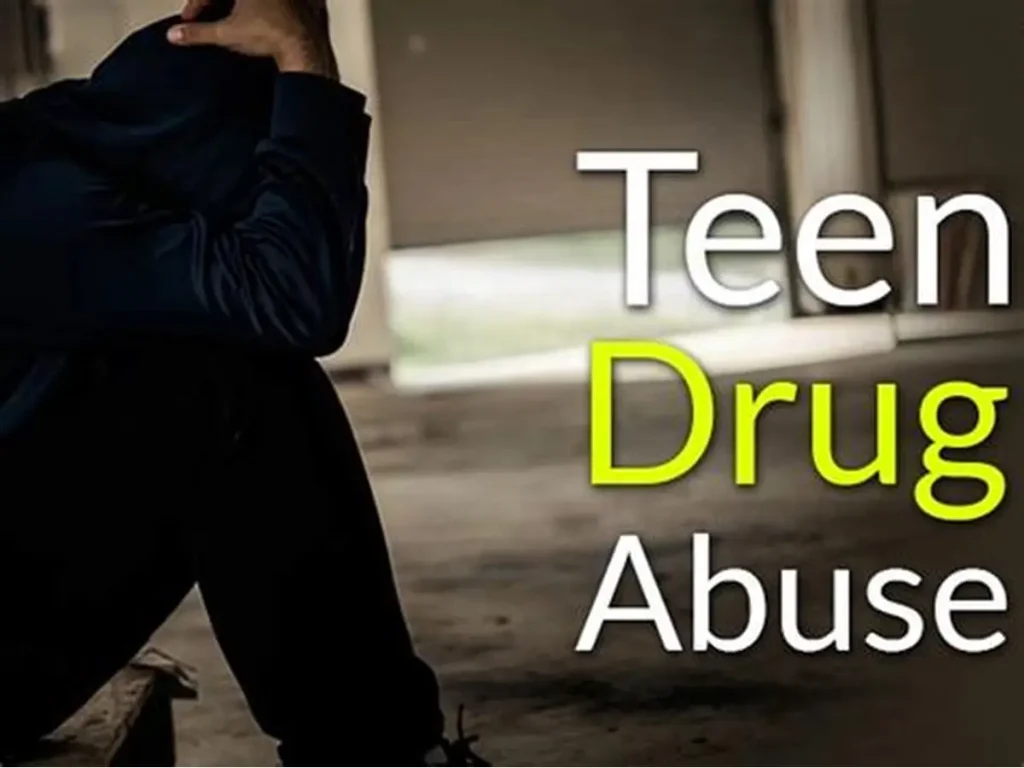
Teen drug abuse remains one of the most concerning challenges facing families today. With the pressures of social media, academic stress, and emotional struggles, many teens turn to substances as a way to cope. However, prevention begins not in clinics or schools but at home. Faith, family support, and holistic healing form a powerful foundation for protecting young people from the dangers of addiction. At Caicos Corral, we believe in a comprehensive, faith-centered approach that nurtures both the heart and mind, guiding families toward lasting resilience and recovery.

The Power of Family Connection in Prevention

Family is often the first line of defense against substance use. Teens who feel connected, supported, and understood are far less likely to experiment with drugs or alcohol. Open communication, trust, and shared values create a protective barrier that helps young people make positive choices.

Practical Steps for Building Family Bonds

  • Create time for family meals and shared activities.
  • Talk regularly about mental health and emotional well-being.
  • Set clear expectations about substance use while offering unconditional love.
  • Be a role model by managing stress in healthy ways.

When teens know they can turn to their parents without judgment, they are more likely to open up about the challenges they face.

Faith as a Foundation for Strength and Purpose

Faith offers more than spiritual comfort. It provides meaning, belonging, and hope. For teens, faith-based guidance can reduce feelings of emptiness and isolation, two major triggers for substance use. When families practice faith together, they create a shared moral compass that reinforces resilience.

How Faith Helps Prevent Addiction

  • Encourages accountability and moral responsibility.
  • Builds emotional strength through prayer, reflection, and community.
  • Offers a positive peer network through faith-based activities.
  • Helps teens find a deeper sense of identity and purpose.

At Caicos Corral, our programs integrate faith-based healing with evidence-based therapies to help individuals and families strengthen both their spiritual and emotional health.

Holistic Healing for the Mind, Body, and Spirit

Prevention is most effective when it considers the whole person. Holistic approaches emphasize balance, mindfulness, and healthy living. By teaching teens how to care for their bodies and minds, families can reduce the risk of addiction before it begins.

Examples of Holistic Practices for Families

  • Mindfulness and relaxation exercises
  • Physical activity, such as yoga or outdoor recreation
  • Balanced nutrition and proper sleep
  • Creative outlets like music, journaling, or art

These habits not only promote overall well-being but also strengthen emotional regulation and stress resilience.

Recognizing When Professional Support Is Needed

Even with strong family and faith foundations, some teens may still struggle. It is important for parents to recognize when professional guidance is necessary. If a teen begins showing signs of withdrawal, mood swings, or changes in behavior, early intervention can make all the difference. Caicos Corral offers compassionate, individualized treatment that combines clinical expertise with holistic and faith-based care.

Healing Begins at Home

Preventing teen drug abuse requires more than rules or restrictions. It begins with love, understanding, and faith. Families that cultivate open communication, emotional connection, and spiritual grounding can protect their teens from the pitfalls of addiction. At Caicos Corral, we help families strengthen these bonds while providing the professional support needed for long-term healing. If you or someone you love is struggling, reach out today to learn how our holistic and faith-based programs can help build a brighter, drug-free future.