
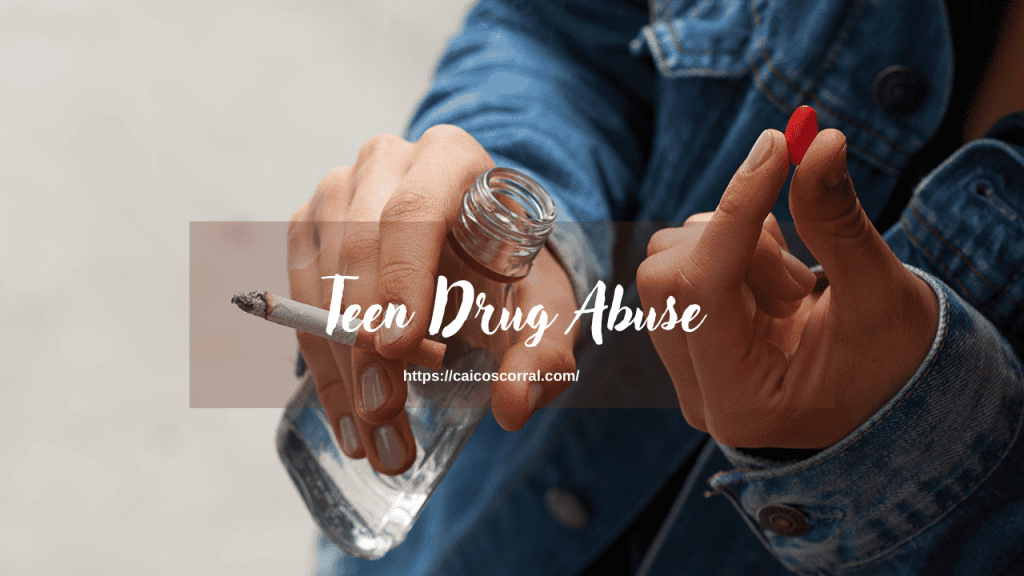
Teen drug abuse is one of the most pressing challenges facing families today. With social pressures, academic stress, and easy access to substances, many adolescents find themselves experimenting with drugs before they fully understand the consequences. Early recognition of warning signs is critical. Parents, caregivers, and educators who can identify changes in behavior or health can intervene before experimentation escalates into dependency. At Caicos Corral, we are committed to helping families understand the risks and providing the support needed to guide teens back to health.
Understanding Why Teens Turn to Drugs
Adolescence is a period of rapid change. Teens may feel pressure to fit in with peers, manage academic expectations, or cope with unresolved emotional pain. Some turn to drugs as a way to escape stress, numb difficult feelings, or boost social confidence. Others may experiment out of curiosity without realizing the potential for addiction. Recognizing these motivators helps parents approach the issue with empathy rather than judgment.
Early Warning Signs of Teen Drug Abuse
Spotting drug use early can make all the difference in treatment outcomes. Some warning signs are physical, while others show up in mood, behavior, or performance.
Physical Signs
- Sudden weight changes or loss of appetite
- Frequent red eyes or dilated pupils
- Neglect of personal hygiene or appearance
- Unexplained injuries or frequent illnesses
Behavioral Signs
- Withdrawal from family activities or long-time friends
- Declining performance at school or loss of interest in hobbies
- Secretive behavior, lying, or stealing
- Changes in sleep patterns, including staying out late or excessive tiredness
Emotional Signs
- Sudden mood swings or unexplained irritability
- Increased anxiety, depression, or paranoia
- A noticeable loss of motivation or apathy
Parents should note that while some of these changes may reflect normal teenage development, a cluster of these behaviors can signal deeper concerns.
How to Prevent Teen Drug Abuse
Prevention begins with open, honest communication. Teens who feel heard and supported are less likely to hide struggles. Parents should:
- Foster trust and encourage conversations about peer pressure and choices
- Model healthy coping strategies and responsible behavior
- Stay involved in their teen’s academic and social life
- Establish clear expectations and boundaries regarding substance use
Faith-based guidance and holistic family practices can also build resilience. Activities like family meals, outdoor recreation, and spiritual connection provide stability during an often turbulent life stage.
Treatment Options for Teens Struggling with Substance Use
If warning signs are present, professional help may be necessary. At Caicos Corral, we provide a range of treatment options tailored to the needs of teens and their families.
Inpatient Treatment
A structured environment offers stability, safety, and intensive support for teens who need to step away from risky influences.
Outpatient Care
Flexible therapy sessions and support groups allow teens to maintain school and family life while receiving professional guidance.
Holistic and Faith-Based Approaches
Programs that combine counseling with holistic practices, such as equine therapy, mindfulness, and spiritual renewal, treat the whole person, not just the addiction.
Take Action Before It’s Too Late
Teen drug abuse does not have to define a young person’s future. Recognizing the early signs and seeking help quickly can make the path to recovery much smoother. At Caicos Corral, we provide compassionate, personalized care that supports both teens and their families through every stage of healing. If you suspect your child may be struggling with substance use, reach out today. Together, we can guide your teen toward hope, strength, and a healthier tomorrow.