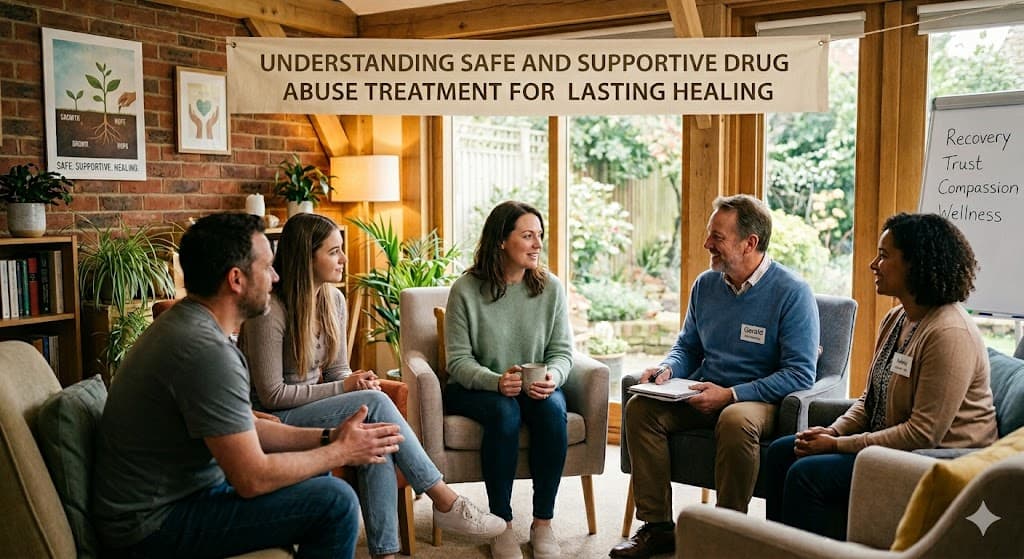
Understanding Safe and Supportive Drug Abuse Treatment for Lasting Healing

Recovery from drug addiction is a deeply personal process that requires more than just stopping substance use. It requires safety, structure, compassion, and ongoing support. When treatment is safe and supportive, individuals are far more likely to engage fully, stay in care, and build lasting recovery. At Caicos Corral, we provide individualized addiction treatment that integrates mental health care, inpatient and outpatient programs, and holistic and faith-based approaches designed to support whole-person healing.

What Safe and Supportive Drug Abuse Treatment Really Means

Safe and supportive treatment goes beyond clinical care. It creates an environment where individuals feel physically secure, emotionally respected, and psychologically supported throughout their recovery journey.

Physical and Emotional Safety in Treatment

Safety in addiction treatment includes:

  • Medical supervision during withdrawal when needed
  • A stable and structured environment
  • Protection from harmful triggers and substances
  • Emotional support from trained professionals

Equally important is emotional safety. Individuals must feel heard, respected, and free from judgment in order to begin meaningful healing.

Why Safety Is Essential in Addiction Recovery

Without a safe environment, recovery becomes significantly more difficult. Fear, stress, and instability can increase cravings and reduce engagement in treatment.

Reducing Stress to Support Healing

Chronic stress is one of the most common relapse triggers. Safe treatment environments help reduce stress by providing routine, structure, and professional guidance. This allows individuals to focus on healing rather than survival.

The Role of Support in Effective Treatment

Support is a cornerstone of successful recovery. It helps individuals feel connected, understood, and motivated throughout the process.

Clinical and Therapeutic Support

At Caicos Corral, support begins with a team of professionals who guide individuals through every stage of recovery. This includes:

  • Individual counseling sessions
  • Group therapy for shared experiences
  • Mental health treatment for co-occurring conditions
  • Ongoing recovery planning and progress monitoring

This structured support helps individuals build insight and develop healthier coping strategies.

Peer and Community Support

Connecting with others in recovery can significantly improve outcomes. Group therapy and peer support create a sense of belonging and reduce feelings of isolation, which are often linked to substance use.

Inpatient and Outpatient Care as Safe Treatment Options

Different levels of care provide different types of safety and support depending on individual needs.

Inpatient Treatment for Maximum Stability

Inpatient care offers a highly structured environment with 24-hour supervision. This level of care is often recommended for individuals who need intensive support, medical monitoring, or removal from high-risk environments.

Key benefits include:

  • Constant professional support
  • Structured daily routines
  • Immediate access to medical and emotional care
  • A controlled, substance-free environment

Outpatient Treatment for Supported Independence

Outpatient care provides flexibility while maintaining consistent professional support. Individuals attend scheduled therapy sessions while continuing to live at home.

This approach is ideal for those who:

  • Have completed inpatient treatment
  • Have stable home environments
  • Need ongoing support while resuming daily responsibilities

Integrating Mental Health Care for Complete Healing

Safe and supportive treatment must address both addiction and mental health. Many individuals struggle with anxiety, depression, trauma, or other emotional conditions alongside substance use.

Treating Co-Occurring Disorders Together

Integrated care ensures that both addiction and mental health conditions are treated at the same time. This leads to better outcomes because it addresses the full scope of the individual’s experience rather than isolating symptoms.

Therapies may include cognitive behavioral therapy, trauma-informed counseling, and individualized emotional support.

The Importance of Holistic and Faith-Based Healing

Healing is most effective when it includes the mind, body, and spirit. Holistic approaches help individuals rebuild balance and strengthen resilience.

Whole-Person Recovery Practices

Holistic support at Caicos Corral may include:

  • Mindfulness and relaxation techniques
  • Physical wellness and nutrition support
  • Exercise and movement for emotional regulation
  • Faith-based or spiritual guidance when appropriate

These practices help individuals reconnect with purpose and build healthier lifestyles.

What Lasting Healing Looks Like

Lasting recovery is not just about abstinence. It is about building a life that feels stable, meaningful, and sustainable. With safe and supportive treatment, individuals learn how to manage stress, build healthy relationships, and maintain emotional balance over time.

Recovery is a process that continues beyond treatment, supported by tools, coping strategies, and ongoing care.

Conclusion

Safe and supportive drug abuse treatment is the foundation of lasting recovery. When individuals feel physically secure, emotionally supported, and clinically guided, they are more likely to heal deeply and maintain long-term stability.

At Caicos Corral, we are committed to providing compassionate, individualized care that prioritizes safety, support, and whole-person healing. If you or a loved one is struggling with substance use, reaching out today can be the first step toward lasting recovery, renewed strength, and a healthier future.

Why Personalized Drug Abuse Treatment Leads to Better Long-Term Recovery Outcomes

No two people experience addiction in the same way. Substance use is shaped by a combination of life experiences, mental health conditions, environment, trauma history, and personal coping patterns. Because of this complexity, personalized drug abuse treatment has become one of the most effective approaches for achieving lasting recovery. At Caicos Corral, we provide individualized addiction recovery services supported by mental health treatment, inpatient and outpatient care, and holistic and faith-based approaches designed to meet each person’s unique needs.

Understanding Personalized Drug Abuse Treatment

Personalized treatment means that care is built around the individual rather than applying a one-size-fits-all model. It recognizes that recovery is not only about stopping substance use but also about understanding why it began in the first place.

Why Individual Differences Matter in Recovery

Every person entering treatment brings a different set of challenges and strengths. These may include:

  • History of trauma or emotional distress
  • Co-occurring mental health conditions such as anxiety or depression
  • Family dynamics and support systems
  • Physical health and substance use history
  • Personal goals and motivations for recovery

When treatment accounts for these differences, it becomes more relevant, more effective, and more sustainable.

How Personalized Treatment Improves Recovery Outcomes

Tailored care significantly increases the chances of long-term success because it addresses both the symptoms and the underlying causes of addiction.

Targeting the Root Causes of Addiction

One of the most important benefits of personalized treatment is its ability to identify and address root causes. These may include unresolved trauma, chronic stress, or untreated mental health conditions.

By focusing on these underlying issues, individuals are not just learning how to stop substance use. They are learning how to heal the emotional and psychological factors that contributed to it.

Better Engagement in Treatment

When individuals feel that their treatment plan reflects their personal experiences, they are more likely to stay engaged. Personalized care increases motivation because it feels relevant, respectful, and supportive rather than generalized or impersonal.

Components of Personalized Drug Abuse Treatment

At Caicos Corral, individualized care is built through a combination of clinical expertise and compassionate support.

Comprehensive Assessment and Planning

Treatment begins with a detailed assessment that looks at physical health, mental health, substance use history, and lifestyle factors. This information is used to create a tailored recovery plan that evolves as the individual progresses.

Integrated Mental Health Treatment

Many individuals struggling with addiction also face mental health challenges. Personalized treatment ensures that these conditions are addressed together.

This may include:

  • Individual therapy sessions
  • Cognitive behavioral therapy
  • Trauma-informed counseling
  • Support for anxiety, depression, or mood disorders

Treating both addiction and mental health at the same time leads to stronger and more stable recovery outcomes.

Flexible Levels of Care

Personalized treatment also considers the appropriate level of support for each individual.

Inpatient Care for Intensive Support

Inpatient programs provide a structured environment with 24-hour care, allowing individuals to focus entirely on recovery without outside distractions.

Outpatient Care for Continued Independence

Outpatient programs offer flexibility while still providing consistent therapeutic support. This allows individuals to maintain work, school, or family responsibilities while continuing treatment.

The Role of Holistic Healing in Personalized Recovery

Effective personalized treatment goes beyond clinical care. It also includes holistic approaches that support emotional, physical, and spiritual well-being.

Healing the Whole Person

Holistic care may include:

  • Mindfulness and stress management techniques
  • Physical wellness and nutrition support
  • Exercise and movement therapy
  • Faith-based or spiritual guidance when appropriate

These practices help individuals build balance and resilience, which are essential for long-term recovery.

Why Personalized Care Reduces Relapse Risk

Relapse is often linked to unresolved emotional triggers, stress, or untreated mental health issues. Personalized treatment reduces these risks by equipping individuals with coping strategies tailored to their specific challenges.

Building Sustainable Coping Skills

Instead of relying on general advice, individuals learn coping tools that are directly relevant to their life experiences. This makes it easier to manage cravings, stress, and emotional triggers in real-world situations.

Conclusion

Personalized drug abuse treatment leads to better long-term recovery outcomes because it treats the whole person, not just the addiction. By addressing root causes, integrating mental health care, and offering flexible and holistic support, individuals are given the tools they need to build lasting stability.

At Caicos Corral, we are committed to providing compassionate, individualized care that supports every stage of recovery. If you or a loved one is struggling with substance use, reaching out today can be the first step toward meaningful healing, renewed hope, and a healthier future.

From Struggle to Stability: What to Expect in Modern Drug Abuse Treatment Programs

Recovery from drug addiction is a deeply personal journey that often begins in a place of struggle, uncertainty, and emotional pain. For many individuals and families, taking the first step toward treatment can feel overwhelming. However, modern drug abuse treatment programs are designed to provide structure, safety, and compassionate support that guides individuals toward lasting stability. At Caicos Corral, we offer individualized addiction recovery services, mental health treatment, inpatient and outpatient care, and holistic and faith-based approaches that help people rebuild their lives with confidence and purpose.

Understanding the First Step in Addiction Treatment

Beginning treatment is often the most difficult part of recovery, but it is also the most important. Modern programs are designed to meet individuals where they are, regardless of how severe their substance use may be.

Comprehensive Assessment and Personalized Planning

Every recovery journey starts with a full assessment. This helps clinicians understand substance use history, mental health needs, physical health, and personal circumstances. From this information, a personalized treatment plan is created.

This individualized approach ensures that care is not generalized but tailored to each person’s unique challenges and goals.

What Modern Drug Abuse Treatment Looks Like Today

Treatment programs have evolved significantly over time. Today, they focus on whole-person healing rather than only addressing substance use.

Medical Support and Detox Stabilization

For many individuals, the first stage of treatment involves detoxification. This process helps the body safely remove substances while managing withdrawal symptoms under medical supervision. Having professional support during this stage is essential for safety and comfort.

Therapy and Emotional Healing

Modern treatment places strong emphasis on mental and emotional health. Therapy helps individuals understand the underlying causes of addiction and develop healthier coping strategies.

Common therapeutic approaches include:

  • Individual counseling to address personal challenges
  • Group therapy for peer support and shared experiences
  • Cognitive behavioral therapy to change harmful thought patterns
  • Trauma-informed care for unresolved emotional pain

These therapies work together to create a strong foundation for long-term recovery.

Inpatient and Outpatient Treatment Options

One of the most important aspects of modern addiction treatment is flexibility. Different levels of care allow individuals to receive the support they need at the right stage of recovery.

Inpatient Treatment for Structured Healing

Inpatient programs provide a safe and structured environment where individuals live at the treatment facility. This level of care includes 24-hour support, daily therapy, and a highly structured routine.

Inpatient treatment is often recommended for individuals with severe addiction, co-occurring mental health conditions, or unstable living environments.

Outpatient Treatment for Flexible Recovery

Outpatient programs allow individuals to continue living at home while attending scheduled treatment sessions. This option provides flexibility while still offering consistent professional support.

Outpatient care typically includes therapy sessions, group counseling, and ongoing mental health support. It is often used as a step-down level of care after inpatient treatment or for individuals with less severe substance use.

The Role of Mental Health in Recovery

Mental health support is a core component of effective addiction treatment. Many individuals struggling with substance use also experience anxiety, depression, trauma, or other emotional challenges.

Treating Co-Occurring Disorders

When addiction and mental health conditions occur together, they must be treated simultaneously. Addressing only one issue can limit recovery success. Integrated care helps individuals understand how mental health and substance use are connected, improving long-term outcomes.

Holistic and Faith-Based Approaches in Modern Treatment

Recovery is most effective when it addresses the mind, body, and spirit together. Holistic care helps individuals rebuild balance and improve overall well-being.

Whole-Person Healing Strategies

At Caicos Corral, holistic approaches may include:

  • Mindfulness and stress reduction practices
  • Physical wellness and nutrition support
  • Exercise and movement for emotional regulation
  • Faith-based or spiritual guidance for personal growth

These approaches help individuals develop resilience and find meaning in recovery.

What Recovery Feels Like Over Time

Recovery is not an instant transformation. It is a gradual process of healing, growth, and rebuilding. Many individuals begin to notice improvements in clarity, emotional stability, relationships, and physical health as they progress through treatment.

Setbacks may occur, but they are part of the learning process. With continued support, individuals develop the tools needed to maintain long-term sobriety and stability.

Conclusion

Modern drug abuse treatment programs are designed to support individuals from the earliest stages of struggle through long-term stability. By combining medical care, mental health treatment, therapy, and holistic support, recovery becomes both achievable and sustainable.

At Caicos Corral, we are committed to providing compassionate, individualized care that meets each person where they are. If you or a loved one is struggling with substance use, reaching out today can be the first step toward stability, healing, and a healthier future.

How Effective Drug Abuse Treatment Addresses the Root Causes of Addiction

Addiction is rarely just about substance use. It is usually the result of deeper underlying issues such as trauma, mental health conditions, chronic stress, or unresolved emotional pain. That is why truly effective drug abuse treatment goes beyond symptom management and focuses on the root causes of addiction. At Caicos Corral, we provide compassionate, individualized care that integrates addiction recovery services, mental health treatment, inpatient and outpatient programs, and holistic and faith-based approaches to support long-term healing.

Understanding the Root Causes of Addiction

To treat addiction effectively, it is essential to understand why it develops in the first place. Substance use is often a coping mechanism, not the core problem itself.

Common Underlying Factors in Addiction

Several key factors often contribute to substance use disorder:

  • Trauma or unresolved emotional experiences
  • Anxiety, depression, or other mental health conditions
  • Chronic stress or overwhelming life circumstances
  • Family history of substance use
  • Lack of healthy coping strategies

When these root causes are not addressed, recovery may feel temporary, and relapse becomes more likely.

Why Surface Level Treatment Is Not Enough

Many traditional approaches focus only on stopping substance use. While detox and abstinence are important first steps, they do not address the emotional or psychological drivers behind addiction.

The Cycle of Temporary Recovery

Without treating underlying issues, individuals may experience a cycle of short-term recovery followed by relapse. This often happens because the original pain or stress that led to substance use is still present. Effective treatment breaks this cycle by addressing both the behavior and the cause.

How Effective Treatment Targets Root Causes

Modern addiction treatment is designed to go deeper than symptom control. At Caicos Corral, care is structured to uncover and treat the underlying factors contributing to addiction.

Comprehensive Assessment and Individualized Care

Effective treatment begins with understanding the whole person. This includes physical health, mental health, substance use history, trauma background, and personal environment.

From this assessment, a personalized treatment plan is developed. This ensures that care is tailored to the individual rather than applying a one-size-fits-all approach.

Mental Health Treatment Integration

Many individuals struggling with addiction also experience co-occurring mental health conditions. Treating both simultaneously is essential for long-term recovery.

Therapeutic approaches may include:

  • Cognitive behavioral therapy to reshape thought patterns
  • Trauma-informed therapy to process past experiences
  • Individual counseling for emotional support
  • Group therapy for connection and accountability

This integrated approach helps individuals understand how emotions and behaviors are connected to substance use.

Inpatient and Outpatient Care for Different Levels of Support

Different stages of recovery require different levels of care.

Inpatient treatment provides structured, 24-hour support in a safe environment. This allows individuals to stabilize physically and emotionally while focusing fully on recovery.

Outpatient treatment offers flexibility for individuals who need to maintain daily responsibilities while continuing therapy and support. This helps reinforce long-term recovery skills in real-world settings.

The Role of Holistic Healing in Addressing Root Causes

Healing the root causes of addiction requires more than clinical treatment alone. Holistic approaches help restore balance in the mind, body, and spirit.

Whole-Person Recovery Practices

Holistic care at Caicos Corral may include:

  • Mindfulness and stress management techniques
  • Physical wellness and nutrition support
  • Exercise and movement therapy
  • Spiritual or faith-based guidance when appropriate

These practices help individuals build resilience, reduce stress, and develop healthier coping strategies.

Building New Foundations for Long-Term Recovery

Addressing root causes is not just about understanding the past. It is also about building a stronger future. Effective treatment helps individuals develop new habits, healthier thought patterns, and supportive environments that promote lasting recovery.

Developing Healthy Coping Skills

One of the most important parts of recovery is learning how to manage stress and emotions without substances. Therapy and holistic care help individuals replace destructive coping mechanisms with healthier alternatives.

Conclusion

Effective drug abuse treatment goes far beyond stopping substance use. It focuses on understanding and healing the root causes of addiction, including trauma, mental health challenges, and emotional pain. When these underlying issues are addressed, recovery becomes more stable, meaningful, and sustainable.

At Caicos Corral, we are committed to providing compassionate, individualized care that supports the whole person. Through integrated mental health treatment, inpatient and outpatient programs, and holistic healing approaches, we help individuals build a strong foundation for lasting recovery. If you or a loved one is struggling with addiction, reaching out today can be the first step toward healing, stability, and a healthier future.

Drug Abuse and Treatment Explained: What Recovery Really Looks Like Today

Drug abuse is often misunderstood, especially by those who have never experienced it firsthand. Many people still believe recovery is simply about stopping substance use, but modern addiction treatment is far more comprehensive. Today, recovery focuses on healing the mind, body, and spirit while addressing the underlying causes of substance use disorder. At Caicos Corral, we provide compassionate, individualized care that includes addiction recovery services, mental health treatment, inpatient and outpatient programs, and holistic and faith-based approaches designed to support lasting transformation.

Understanding Drug Abuse as a Complex Condition

Drug abuse is not a single issue with a single cause. It is a complex condition influenced by biological, psychological, and environmental factors. These may include trauma, stress, genetics, mental health disorders, or long-term exposure to unhealthy coping patterns.

How Addiction Develops Over Time

Substance use often begins gradually. What may start as experimentation or occasional use can develop into dependence as the brain adapts to the presence of drugs or alcohol. Over time, the individual may rely on substances to function emotionally or physically, making it difficult to stop without professional support.

Understanding this progression helps remove stigma and encourages a more compassionate view of addiction as a treatable medical condition.

What Modern Drug Abuse Treatment Looks Like

Recovery today is not one-size-fits-all. Effective treatment is structured, personalized, and designed to support long-term healing rather than short-term abstinence.

Comprehensive Assessment and Personalized Care

At Caicos Corral, treatment begins with a full assessment of physical health, mental health, substance use history, and personal circumstances. This allows clinicians to build a personalized treatment plan tailored to each individual’s needs.

No two recovery journeys are the same, which is why individualized care is essential for long-term success.

Inpatient Treatment for Structured Healing

Inpatient treatment provides a safe, supportive environment where individuals can focus entirely on recovery. This level of care is often recommended for those experiencing severe addiction or co-occurring mental health conditions.

Inpatient programs typically include:

  • 24 hour support and supervision
  • Medical detox when needed
  • Daily therapy sessions
  • Structured routines that promote stability
  • Holistic wellness activities

This immersive approach helps individuals stabilize physically and emotionally before transitioning to less intensive care.

Outpatient Treatment for Flexible Recovery

Outpatient programs allow individuals to receive treatment while continuing to live at home. This option is ideal for those with strong support systems or those transitioning from inpatient care.

Outpatient services often include:

  • Individual counseling sessions
  • Group therapy and peer support
  • Mental health treatment for co-occurring conditions
  • Holistic recovery practices integrated into daily life

This flexibility helps individuals apply recovery skills in real-world environments.

The Role of Mental Health in Addiction Recovery

Mental health plays a central role in effective drug abuse treatment. Many individuals struggling with addiction also experience anxiety, depression, PTSD, or emotional trauma.

Treating Co-Occurring Disorders

When addiction and mental health conditions occur together, they must be treated simultaneously. Ignoring one often undermines progress in the other. Integrated treatment helps individuals understand emotional triggers, develop coping skills, and reduce the risk of relapse.

Therapies may include cognitive behavioral therapy, trauma-informed care, and ongoing counseling support tailored to individual needs.

Holistic and Faith-Based Approaches in Recovery

Modern addiction treatment increasingly recognizes the importance of holistic healing. Recovery is most effective when it addresses the whole person, not just the symptoms of substance use.

Healing the Mind, Body, and Spirit

Holistic care may include:

  • Mindfulness and stress reduction techniques
  • Physical wellness and nutrition support
  • Exercise and movement therapy
  • Faith-based or spiritual guidance when appropriate

These approaches help individuals rebuild balance, strengthen resilience, and reconnect with purpose.

What Recovery Really Looks Like Today

Recovery is not a quick fix. It is a process of growth, healing, and ongoing support. It involves setbacks, progress, learning, and resilience. Most importantly, it involves rebuilding a life that feels meaningful without substance use.

With the right treatment plan, recovery becomes not just possible, but sustainable.

Conclusion

Drug abuse is a complex condition, but recovery is achievable with the right support. Today’s treatment approaches go far beyond detox, focusing on mental health, individualized care, and holistic healing that addresses every part of a person’s life.

At Caicos Corral, we are committed to guiding individuals through every stage of recovery with compassion, clinical expertise, and personalized care. If you or someone you love is struggling with substance use, reaching out for help today can be the first step toward stability, healing, and a healthier future.

Family Support and Addiction Recovery: Practical Ways to Help a Loved One Heal

Addiction affects more than just the individual using substances. It impacts families, relationships, trust, and emotional well-being. When a loved one is struggling with addiction, families often feel helpless, overwhelmed, or unsure of what to do next. However, family support can be one of the most powerful factors in long-term recovery. At Caicos Corral, we understand the importance of involving families in the healing process through compassionate addiction treatment, mental health support, inpatient and outpatient care, and holistic recovery approaches tailored to each individual.

Why Family Support Matters in Addiction Recovery

Recovery is not a journey that happens in isolation. While professional treatment provides the structure and clinical care needed for healing, family support offers emotional stability and encouragement that can strengthen recovery outcomes.

The Emotional Impact of Family Involvement

When families become positively involved in recovery, individuals often experience:

  • Increased motivation to stay in treatment
  • Stronger emotional resilience during difficult moments
  • Improved communication and trust
  • A reduced risk of relapse

At the same time, families also begin their own healing process, learning how to rebuild relationships and set healthy boundaries.

Understanding Addiction as a Medical Condition

One of the most important steps families can take is shifting their understanding of addiction. Substance use disorder is not a lack of willpower or moral failure. It is a complex medical and psychological condition that often involves changes in brain chemistry, emotional regulation, and behavior patterns.

Replacing Judgment with Compassion

When families approach addiction with compassion instead of blame, it creates a safer environment for open communication. This shift allows individuals to feel supported rather than judged, which is essential for encouraging treatment engagement.

Practical Ways Families Can Support a Loved One

Supporting a loved one in recovery requires balance. It involves being supportive without enabling harmful behavior and being present without losing personal boundaries.

Encourage Professional Treatment

One of the most important steps is encouraging your loved one to seek professional help. At Caicos Corral, we offer individualized treatment plans that may include:

  • Inpatient addiction treatment for structured, intensive care
  • Outpatient programs for flexible ongoing support
  • Mental health counseling for co-occurring disorders
  • Holistic and faith-based approaches for whole-person healing

Early treatment significantly improves recovery outcomes and helps prevent further harm.

Communicate with Care and Clarity

Healthy communication is essential during recovery. Families should focus on:

  • Speaking calmly and respectfully
  • Expressing concern rather than criticism
  • Listening without interruption
  • Avoiding blame or emotional escalation

Clear communication builds trust and reduces conflict, making it easier for loved ones to stay engaged in treatment.

Set Healthy Boundaries

Boundaries are not about punishment. They are about protecting both the individual in recovery and the family’s well-being. Healthy boundaries may include:

  • Not providing money that could support substance use
  • Establishing expectations for behavior at home
  • Avoiding covering up or excusing harmful actions
  • Prioritizing emotional and mental health for all family members

Boundaries create structure and accountability, which are essential for recovery success.

Participate in Family Therapy

Family therapy helps repair relationships, improve communication, and address long-standing emotional wounds. It also provides education about addiction, helping families better understand the recovery process and how to support it effectively.

Support Holistic Healing Practices

Recovery is strengthened when it includes mind, body, and spirit healing. Families can encourage:

  • Healthy routines such as exercise and proper nutrition
  • Mindfulness practices to manage stress
  • Faith-based or spiritual support when appropriate
  • Positive daily structure and consistency

These practices reinforce stability and emotional balance during recovery.

Taking Care of Yourself as a Family Member

Supporting someone in recovery can be emotionally exhausting. Families must also prioritize their own well-being. Counseling, support groups, and self-care practices help prevent burnout and ensure that support remains healthy and sustainable.

Conclusion

Family support plays a vital role in addiction recovery, but it must be rooted in compassion, boundaries, and understanding. By encouraging treatment, improving communication, and supporting holistic healing, families can help create a stable foundation for lasting recovery.

At Caicos Corral, we are committed to supporting not only individuals struggling with addiction but also the families who stand beside them. Through personalized care, mental health treatment, and holistic recovery approaches, healing becomes a shared journey. If your loved one is facing addiction, reaching out today can be the first step toward recovery, restoration, and hope for the entire family.

Understanding Co-Occurring Disorders: Why Mental Health Support Is Key in Addiction Treatment

Addiction rarely exists on its own. For many individuals, substance use is closely tied to underlying mental health conditions such as depression, anxiety, trauma, or mood disorders. When both conditions occur at the same time, it is known as a co-occurring disorder. Treating addiction without addressing mental health challenges often leads to incomplete recovery and a higher risk of relapse. At Caicos Corral, we provide compassionate, individualized care that integrates addiction recovery services, mental health treatment, inpatient and outpatient programs, and holistic approaches to support whole-person healing.

What Are Co-Occurring Disorders?

Co-occurring disorders, also called dual diagnosis, refer to the presence of both a substance use disorder and a mental health condition at the same time. These conditions often interact with and intensify one another, making treatment more complex.

Common Examples of Co-Occurring Conditions

Some of the most frequently seen mental health conditions alongside addiction include:

  • Depression and substance use disorder
  • Anxiety disorders and alcohol or drug misuse
  • Post-traumatic stress disorder and addiction
  • Bipolar disorder and substance dependence

These conditions can influence each other, meaning untreated mental health symptoms may drive substance use, while substance use can worsen mental health symptoms.

Why Mental Health and Addiction Are Closely Connected

Understanding the connection between mental health and addiction is essential for effective treatment. Many individuals turn to substances as a way to cope with emotional pain, trauma, or overwhelming stress. While this may provide temporary relief, it often leads to long-term dependency and worsening mental health symptoms.

The Cycle of Self-Medication

One of the most common patterns in co-occurring disorders is self-medication. A person may use drugs or alcohol to manage anxiety, numb emotional pain, or escape traumatic memories. Over time, this coping mechanism can develop into addiction, creating a cycle that is difficult to break without professional support.

Why Integrated Treatment Is Essential

Treating addiction and mental health separately can limit recovery success. Integrated treatment addresses both conditions at the same time, offering a more complete and effective path to healing.

Comprehensive Assessment and Diagnosis

Effective treatment begins with understanding the full picture. At Caicos Corral, individuals receive thorough assessments that identify both substance use patterns and underlying mental health conditions. This ensures that treatment plans are accurate, personalized, and effective.

Coordinated Therapeutic Care

Integrated care often includes a combination of therapies such as:

  • Cognitive behavioral therapy to change harmful thought patterns
  • Trauma-informed counseling to address past experiences
  • Group therapy for peer support and connection
  • Individual counseling for personalized emotional healing

This coordinated approach helps individuals understand the root causes of their addiction while developing healthier coping strategies.

Medication and Clinical Support When Needed

In some cases, medication may be used to support mental health stabilization. When combined with therapy and structured addiction treatment, this can significantly improve recovery outcomes.

The Role of Inpatient and Outpatient Care

At Caicos Corral, treatment is tailored to each individual’s needs through both inpatient and outpatient programs.

Inpatient Treatment for Intensive Support

Inpatient care provides a structured and supportive environment where individuals can focus fully on recovery. This level of care is especially beneficial for those with severe addiction or complex co-occurring disorders requiring close monitoring and stabilization.

Outpatient Treatment for Flexible Recovery

Outpatient programs allow individuals to continue treatment while maintaining daily responsibilities. This option provides ongoing therapy, accountability, and support while gradually reintegrating into everyday life.

Holistic and Faith-Based Support in Dual Diagnosis Recovery

Healing co-occurring disorders requires more than clinical treatment alone. Holistic care helps individuals rebuild balance across mind, body, and spirit.

Mind and Body Healing Practices

Holistic approaches may include mindfulness, exercise, nutrition support, and stress management techniques. These practices help regulate emotions and reduce relapse risk.

Faith-Based and Purpose-Driven Recovery

For many individuals, spiritual support plays an important role in healing. Faith-based guidance and personal reflection can help restore hope, purpose, and inner strength during recovery.

Conclusion

Co-occurring disorders require a comprehensive and compassionate approach that addresses both mental health and addiction together. Without integrated care, recovery can feel incomplete and relapse risks increase. With the right support, individuals can heal fully and build a stable foundation for long-term recovery.

At Caicos Corral, we are committed to providing personalized treatment that combines mental health care, addiction recovery services, and holistic healing approaches. If you or a loved one is struggling with substance use and mental health challenges, reaching out today can be the first step toward lasting recovery, renewed stability, and a healthier future.

Inpatient vs Outpatient Drug Treatment: Choosing the Right Path for Recovery

Choosing between inpatient and outpatient drug treatment is one of the most important decisions a person can make when starting recovery. Both options can be highly effective, but the right choice depends on the severity of substance use, mental health needs, daily responsibilities, and support systems. At Caicos Corral, we provide compassionate, individualized addiction treatment that includes inpatient care, outpatient programs, mental health support, and holistic and faith-based approaches designed to support long-term healing.

Understanding the Difference Between Inpatient and Outpatient Treatment

Before deciding on a treatment path, it is important to understand how each level of care works. While both focus on recovery from substance use disorder, they differ in structure, intensity, and environment.

What Is Inpatient Drug Treatment

Inpatient treatment, also known as residential care, involves staying at a treatment facility full time. This level of care provides a highly structured environment where individuals can focus completely on recovery without outside distractions or triggers.

Inpatient programs typically include:

  • 24 hour medical and emotional support
  • Supervised detox when needed
  • Daily individual and group therapy
  • Mental health treatment for co-occurring disorders
  • Structured routines that support stability

This approach is often recommended for individuals with severe addiction, unstable home environments, or co-occurring mental health conditions that require close monitoring.

What Is Outpatient Drug Treatment

Outpatient treatment allows individuals to live at home while attending scheduled therapy sessions and support programs. This option provides flexibility while still offering professional guidance and accountability.

Outpatient programs often include:

  • Weekly or multiple weekly therapy sessions
  • Group counseling and peer support
  • Mental health counseling and dual diagnosis care
  • Flexible scheduling for work, school, or family responsibilities

Outpatient care is often best suited for individuals with mild to moderate substance use or those transitioning from inpatient treatment.

Key Differences Between Inpatient and Outpatient Care

Understanding the differences between these two approaches can help individuals and families make more informed decisions.

Level of Structure and Support

Inpatient treatment provides constant supervision and a highly structured environment. Outpatient treatment offers more independence, requiring individuals to manage their recovery alongside daily life.

Living Environment

In inpatient care, individuals live at the facility, which removes exposure to triggers and environments associated with substance use. Outpatient care allows individuals to remain in their home environment, which may include both support and challenges.

Intensity of Treatment

Inpatient programs are more intensive and immersive. Outpatient programs are less intensive but still provide consistent therapeutic support.

Choosing the Right Path for Recovery

There is no universal answer when it comes to selecting the right treatment option. The best choice depends on individual needs, history of substance use, and overall mental and physical health.

When Inpatient Treatment May Be the Best Option

Inpatient care may be recommended if:

  • Substance use is severe or long term
  • There is a risk of withdrawal complications
  • There are co-occurring mental health conditions
  • The home environment is unstable or unsafe
  • Previous outpatient treatment has not been successful

When Outpatient Treatment May Be the Best Option

Outpatient care may be appropriate if:

  • Substance use is mild to moderate
  • The individual has a stable and supportive home environment
  • Work, school, or family responsibilities must be maintained
  • The person is transitioning from inpatient treatment

How Holistic and Mental Health Support Enhance Recovery

At Caicos Corral, we believe recovery is most effective when it addresses the whole person. Both inpatient and outpatient programs include mental health support and holistic care to strengthen long-term outcomes.

Mental Health Treatment Integration

Many individuals with substance use disorder also experience anxiety, depression, or trauma-related challenges. Integrated mental health care helps address these underlying conditions through therapy, counseling, and individualized treatment planning.

Holistic and Faith-Based Approaches

Holistic care supports healing beyond clinical treatment. This may include mindfulness practices, stress management techniques, physical wellness routines, and faith-based guidance. These approaches help individuals build resilience and create a stronger foundation for recovery.

Conclusion

Choosing between inpatient and outpatient drug treatment is a deeply personal decision, but both paths can lead to meaningful and lasting recovery when paired with the right support. The key is finding a program that meets your needs, addresses underlying challenges, and provides compassionate, individualized care.

At Caicos Corral, we are committed to guiding individuals through every stage of recovery with professional treatment, mental health support, and holistic healing approaches. If you or a loved one is struggling with substance use, reaching out today can be the first step toward stability, healing, and a healthier future.

Holistic Approaches to Addiction Recovery: Healing Mind, Body, and Spirit

Addiction recovery is not only about stopping substance use. It is about rebuilding a life that feels stable, meaningful, and sustainable. Many individuals struggling with substance use disorder also face emotional pain, mental health challenges, and physical exhaustion that cannot be fully addressed through detox or medication alone. This is where holistic approaches play a vital role. At Caicos Corral, we provide compassionate, individualized addiction recovery that integrates mental health treatment, inpatient and outpatient care, and holistic and faith-based support to help individuals heal on every level.

Understanding Holistic Addiction Recovery

Holistic addiction recovery focuses on treating the whole person rather than only the symptoms of substance use. This approach recognizes that addiction often develops from a combination of physical, emotional, psychological, and spiritual factors. By addressing each of these areas together, individuals have a stronger foundation for long-term recovery.

Why a Whole-Person Approach Matters

Substance use disorder often does not exist in isolation. It is frequently connected to trauma, stress, anxiety, depression, or unresolved emotional pain. If only the physical aspects of addiction are treated, underlying causes may remain unaddressed, increasing the risk of relapse.

A whole-person approach helps individuals:

  • Understand the root causes of addiction
  • Build healthier coping strategies
  • Improve emotional regulation
  • Strengthen overall well-being

This creates a more stable and sustainable recovery journey.

Healing the Mind in Recovery

Mental health support is a critical part of holistic addiction treatment. Without addressing psychological well-being, recovery can feel incomplete or overwhelming.

Therapy and Emotional Healing

Evidence-based therapies such as cognitive behavioral therapy and trauma-informed counseling help individuals recognize unhealthy thought patterns and develop healthier responses. These therapies are often combined with group counseling and peer support to encourage connection and accountability.

At Caicos Corral, mental health care is fully integrated into addiction treatment to ensure that co-occurring disorders such as anxiety, depression, or PTSD are addressed alongside substance use.

Mindfulness and Stress Management

Mindfulness practices help individuals stay grounded during recovery. Techniques such as deep breathing, meditation, and guided reflection support emotional balance and reduce cravings. Over time, these practices help build resilience and reduce the impact of triggers.

Healing the Body in Recovery

Substance use can take a significant toll on physical health. Holistic recovery focuses on restoring strength, energy, and overall wellness.

Nutrition and Physical Restoration

Healthy nutrition plays a key role in rebuilding the body after addiction. Proper meals support brain function, stabilize mood, and improve energy levels. Physical recovery is also supported through hydration, rest, and structured daily routines.

Movement and Physical Activity

Exercise is a powerful tool in recovery. It helps reduce stress, improve mood, and support the natural release of endorphins. Activities such as walking, stretching, or light fitness programs can help individuals reconnect with their bodies in a positive way.

Healing the Spirit in Recovery

For many individuals, addiction can create a sense of disconnection or loss of purpose. Spiritual healing helps restore meaning and direction in life.

Faith-Based and Purpose-Driven Support

Faith-based approaches offer individuals a sense of hope, guidance, and inner strength. Spiritual counseling, prayer, or reflective practices can help individuals reconnect with their values and build a deeper sense of purpose.

Even for those who do not follow a specific faith tradition, spiritual healing can involve personal reflection, gratitude practices, and exploring what gives life meaning.

The Role of Inpatient and Outpatient Care in Holistic Recovery

Holistic treatment is most effective when combined with structured clinical support. At Caicos Corral, both inpatient and outpatient programs are designed to meet individuals where they are in their recovery journey.

Inpatient Care

Inpatient treatment provides a structured and supportive environment where individuals can focus fully on healing. It offers 24-hour care, therapy, and stabilization during early recovery.

Outpatient Care

Outpatient programs allow individuals to continue treatment while maintaining daily responsibilities. This level of care supports long-term recovery through ongoing therapy, accountability, and continued holistic practices.

Conclusion

Holistic approaches to addiction recovery provide a powerful path to lasting healing by addressing the mind, body, and spirit together. When combined with professional treatment and mental health support, individuals gain the tools they need to rebuild their lives with strength and purpose.

At Caicos Corral, we are committed to providing compassionate, individualized care that supports every stage of recovery. If you or a loved one is struggling with substance use, reaching out today can be the first step toward meaningful change, lasting recovery, and a healthier future.

Recognizing the Signs of Drug Abuse: How Early Intervention Can Save Lives

Drug abuse often begins subtly, making early detection essential for effective treatment and long-term recovery. Left unchecked, substance use can escalate, leading to serious health, emotional, and social consequences. Recognizing the signs early allows for timely intervention, increasing the likelihood of a successful recovery. At Caicos Corral, we provide compassionate, individualized care that combines mental health support, inpatient and outpatient programs, and holistic, faith-based approaches to guide individuals toward lasting healing.

Physical Signs of Drug Abuse

Drug use can manifest in noticeable physical changes. Family, friends, and coworkers may observe:

  • Sudden weight loss or gain
  • Changes in sleep patterns, fatigue, or low energy
  • Bloodshot or glassy eyes, dilated pupils, or poor hygiene
  • Unexplained injuries or frequent accidents

These physical indicators are often the first observable warning signs that professional help may be needed.

Behavioral Indicators

Behavioral changes are equally important to recognize. Substance use often alters routines and interactions, including:

  • Withdrawal from social activities or previously enjoyed hobbies
  • Secretive behavior, lying, or unexplained absences
  • Neglect of responsibilities at work, school, or home
  • Risk-taking or impulsive decision-making

Monitoring these patterns can help loved ones identify when someone may be struggling and in need of support.

Emotional and Mental Health Signs

Drug abuse frequently impacts mood and emotional well-being. Watch for:

  • Increased irritability, anxiety, or depression
  • Extreme mood swings or sudden anger
  • Difficulty focusing or making decisions
  • Loss of interest in everyday activities

These signs can indicate that substance use is affecting emotional health and that early intervention is critical.

The Importance of Early Intervention

Early intervention is one of the most effective strategies for preventing the escalation of substance use disorders. Addressing drug abuse promptly reduces the risk of severe health complications, strengthens family relationships, and improves recovery outcomes. Timely professional support also allows individuals to develop healthy coping mechanisms before destructive patterns become entrenched.

Steps for Supporting a Loved One

Families and friends can play a critical role in encouraging treatment:

  • Communicate with empathy: Express concern without blame. Listening and validating feelings encourages openness.
  • Seek professional guidance: Addiction specialists at Caicos Corral assess individual needs and recommend personalized treatment plans.
  • Encourage treatment options: Options include inpatient and outpatient care, counseling, holistic therapy, and faith-based programs.
  • Provide ongoing support: Celebrate milestones, maintain healthy boundaries, and participate in family therapy sessions when appropriate.

These steps help create a supportive environment that motivates recovery while protecting the well-being of the family.

Integrating Holistic Care

Holistic approaches, including mindfulness, nutrition, physical activity, and spiritual guidance, support emotional and physical healing. At Caicos Corral, combining holistic practices with professional treatment strengthens resilience and helps individuals maintain long-term sobriety.

Conclusion

Recognizing the signs of drug abuse early is critical to saving lives and fostering lasting recovery. Physical, behavioral, and emotional changes can all serve as warning signals that professional intervention is needed. Compassionate support, timely treatment, and a holistic approach significantly improve outcomes for individuals struggling with substance use.

At Caicos Corral, we offer individualized programs that integrate mental health support, inpatient and outpatient care, and holistic and faith-based therapies. If you or a loved one is showing signs of substance use, reach out today. Early intervention can change the trajectory of recovery, providing hope, healing, and a path toward a healthier, substance-free life.