
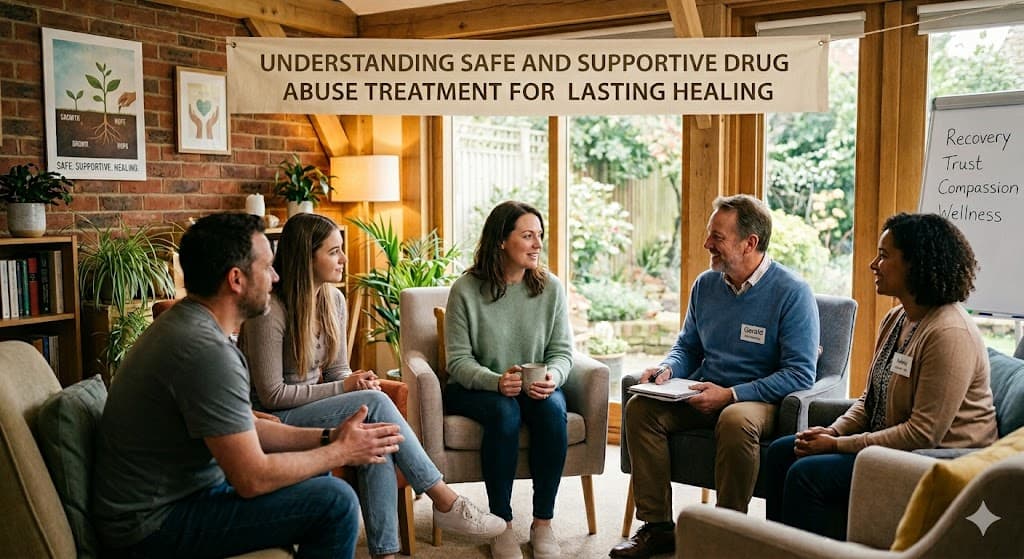
Recovery from drug addiction is a deeply personal process that requires more than just stopping substance use. It requires safety, structure, compassion, and ongoing support. When treatment is safe and supportive, individuals are far more likely to engage fully, stay in care, and build lasting recovery. At Caicos Corral, we provide individualized addiction treatment that integrates mental health care, inpatient and outpatient programs, and holistic and faith-based approaches designed to support whole-person healing.
What Safe and Supportive Drug Abuse Treatment Really Means
Safe and supportive treatment goes beyond clinical care. It creates an environment where individuals feel physically secure, emotionally respected, and psychologically supported throughout their recovery journey.
Physical and Emotional Safety in Treatment
Safety in addiction treatment includes:
- Medical supervision during withdrawal when needed
- A stable and structured environment
- Protection from harmful triggers and substances
- Emotional support from trained professionals
Equally important is emotional safety. Individuals must feel heard, respected, and free from judgment in order to begin meaningful healing.
Why Safety Is Essential in Addiction Recovery
Without a safe environment, recovery becomes significantly more difficult. Fear, stress, and instability can increase cravings and reduce engagement in treatment.
Reducing Stress to Support Healing
Chronic stress is one of the most common relapse triggers. Safe treatment environments help reduce stress by providing routine, structure, and professional guidance. This allows individuals to focus on healing rather than survival.
The Role of Support in Effective Treatment
Support is a cornerstone of successful recovery. It helps individuals feel connected, understood, and motivated throughout the process.
Clinical and Therapeutic Support
At Caicos Corral, support begins with a team of professionals who guide individuals through every stage of recovery. This includes:
- Individual counseling sessions
- Group therapy for shared experiences
- Mental health treatment for co-occurring conditions
- Ongoing recovery planning and progress monitoring
This structured support helps individuals build insight and develop healthier coping strategies.
Peer and Community Support
Connecting with others in recovery can significantly improve outcomes. Group therapy and peer support create a sense of belonging and reduce feelings of isolation, which are often linked to substance use.
Inpatient and Outpatient Care as Safe Treatment Options
Different levels of care provide different types of safety and support depending on individual needs.
Inpatient Treatment for Maximum Stability
Inpatient care offers a highly structured environment with 24-hour supervision. This level of care is often recommended for individuals who need intensive support, medical monitoring, or removal from high-risk environments.
Key benefits include:
- Constant professional support
- Structured daily routines
- Immediate access to medical and emotional care
- A controlled, substance-free environment
Outpatient Treatment for Supported Independence
Outpatient care provides flexibility while maintaining consistent professional support. Individuals attend scheduled therapy sessions while continuing to live at home.
This approach is ideal for those who:
- Have completed inpatient treatment
- Have stable home environments
- Need ongoing support while resuming daily responsibilities
Integrating Mental Health Care for Complete Healing
Safe and supportive treatment must address both addiction and mental health. Many individuals struggle with anxiety, depression, trauma, or other emotional conditions alongside substance use.
Treating Co-Occurring Disorders Together
Integrated care ensures that both addiction and mental health conditions are treated at the same time. This leads to better outcomes because it addresses the full scope of the individual’s experience rather than isolating symptoms.
Therapies may include cognitive behavioral therapy, trauma-informed counseling, and individualized emotional support.
The Importance of Holistic and Faith-Based Healing
Healing is most effective when it includes the mind, body, and spirit. Holistic approaches help individuals rebuild balance and strengthen resilience.
Whole-Person Recovery Practices
Holistic support at Caicos Corral may include:
- Mindfulness and relaxation techniques
- Physical wellness and nutrition support
- Exercise and movement for emotional regulation
- Faith-based or spiritual guidance when appropriate
These practices help individuals reconnect with purpose and build healthier lifestyles.
What Lasting Healing Looks Like
Lasting recovery is not just about abstinence. It is about building a life that feels stable, meaningful, and sustainable. With safe and supportive treatment, individuals learn how to manage stress, build healthy relationships, and maintain emotional balance over time.
Recovery is a process that continues beyond treatment, supported by tools, coping strategies, and ongoing care.
Conclusion
Safe and supportive drug abuse treatment is the foundation of lasting recovery. When individuals feel physically secure, emotionally supported, and clinically guided, they are more likely to heal deeply and maintain long-term stability.
At Caicos Corral, we are committed to providing compassionate, individualized care that prioritizes safety, support, and whole-person healing. If you or a loved one is struggling with substance use, reaching out today can be the first step toward lasting recovery, renewed strength, and a healthier future.