
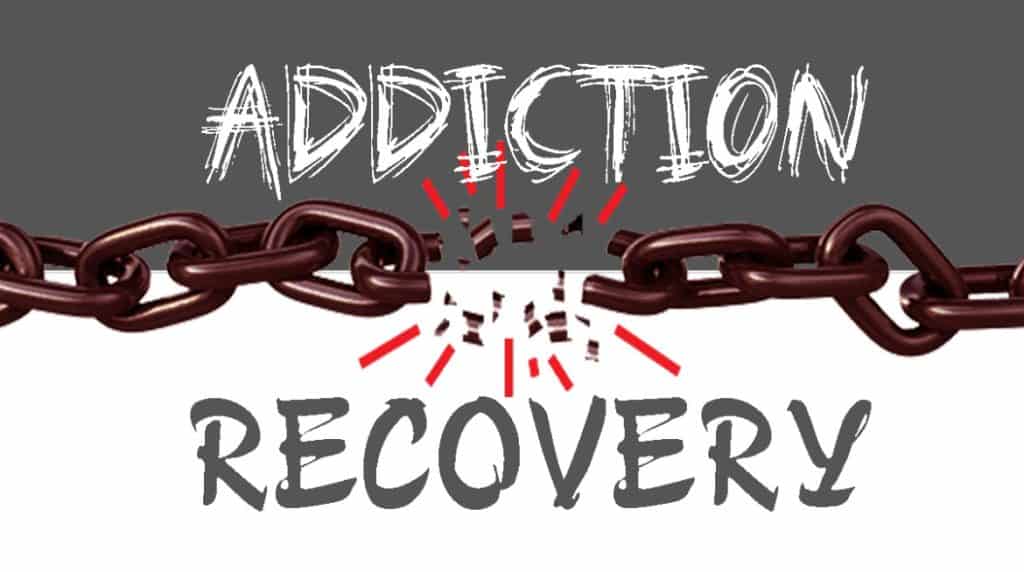
Drug addiction is a complex disease that affects millions of people worldwide. It takes a heavy toll on individuals, families, and society. Overcoming addiction is a challenging journey, but with the right strategies, recovery is possible. This article explores effective approaches to breaking free from addiction and rebuilding a healthy, fulfilling life.
1. Acknowledging the Problem
The first and most crucial step toward recovery is recognizing the existence of a problem. Many individuals struggling with addiction remain in denial, which prevents them from seeking help. Accepting the need for change is a powerful moment that paves the way for recovery. Self-reflection, support from loved ones, and professional interventions can help individuals confront their addiction.
2. Seeking Professional Help
Addiction is a medical condition that often requires professional treatment. Various options are available, including inpatient rehabilitation, outpatient programs, and counseling. Medical professionals and addiction specialists can assess the severity of the addiction and recommend the best treatment approach. Detoxification, supervised by medical professionals, is often the first step to cleanse the body of harmful substances.
3. Therapy and Counseling
Behavioral therapies, such as Cognitive Behavioral Therapy (CBT) and Dialectical Behavior Therapy (DBT), play a critical role in addiction recovery. These therapies help individuals identify triggers, develop coping mechanisms, and change negative thought patterns. Group therapy and support groups like Narcotics Anonymous (NA) and Alcoholics Anonymous (AA) provide encouragement and a sense of community.
4. Medication-Assisted Treatment (MAT)
For some individuals, medication can be an essential part of the recovery process. Medications such as methadone, buprenorphine, and naltrexone are commonly used to treat opioid addiction. These medications help manage withdrawal symptoms and reduce cravings, making it easier for individuals to focus on their recovery.
5. Building a Support System
Having a strong support system is vital for long-term recovery. Family, friends, sponsors, and therapists can provide encouragement and accountability. Open communication and emotional support help individuals stay motivated. Support groups also offer a sense of belonging, reducing feelings of isolation.
6. Developing Healthy Habits
Replacing harmful behaviors with positive habits is crucial for sustaining recovery. Regular exercise, a balanced diet, and adequate sleep improve physical and mental well-being. Engaging in hobbies, mindfulness practices, and stress-reducing activities like yoga and meditation can help individuals manage cravings and avoid relapse.
7. Avoiding Triggers and High-Risk Situations
Identifying and avoiding triggers is essential for preventing relapse. Stress, social pressure, and environments associated with substance use can lead to cravings. Developing strategies to handle stress, practicing assertiveness, and surrounding oneself with supportive individuals can help in maintaining sobriety.
8. Setting Goals and Staying Motivated
Recovery is a long-term process that requires dedication. Setting achievable goals, celebrating milestones, and staying focused on the benefits of a drug-free life can keep individuals motivated. Personal growth, improved relationships, and a sense of purpose make the journey worthwhile.
Conclusion
Breaking free from drug addiction is a challenging but achievable goal. By acknowledging the problem, seeking professional help, engaging in therapy, and building a strong support system, individuals can regain control of their lives. With persistence and the right strategies, long-term recovery is possible, paving the way for a healthier and more fulfilling future.