
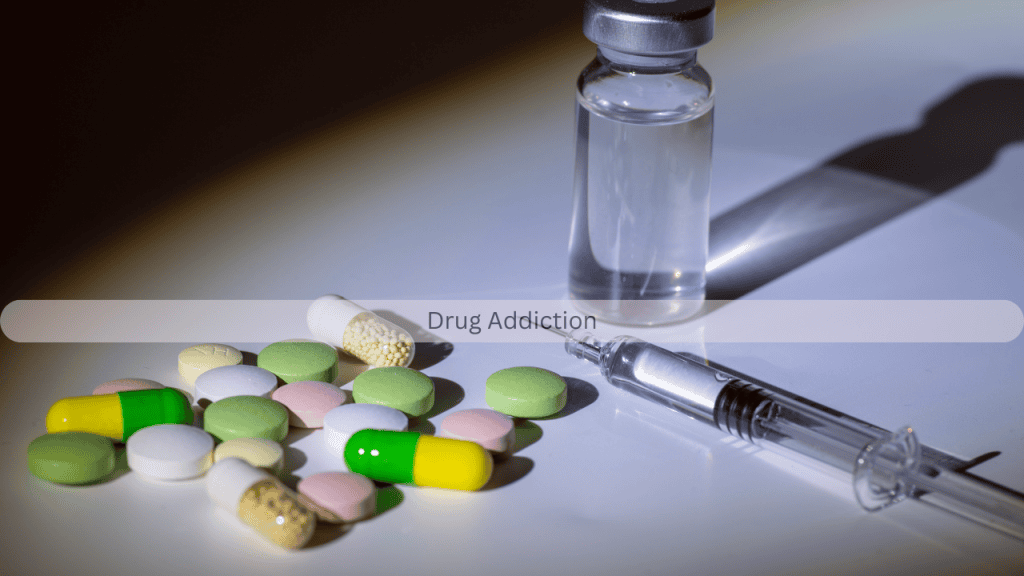
Drug addiction is a complex and chronic brain disorder that affects millions worldwide. Understanding the neurobiology of addiction is crucial for developing more effective treatment strategies and long-term recovery solutions. By studying how addictive substances affect brain structure and function, researchers have uncovered new insights into how addiction develops, progresses, and can be treated.
1. The Brain’s Reward System and Dopamine
At the core of drug addiction lies the brain’s reward system, particularly the release of dopamine, a neurotransmitter associated with pleasure and reinforcement. When a person consumes drugs like opioids, cocaine, or alcohol, the brain releases an abnormal surge of dopamine. This flood of dopamine creates intense feelings of euphoria, leading individuals to seek out the substance repeatedly to recreate the pleasurable experience.
However, repeated drug use disrupts the brain’s natural dopamine balance. Over time, the brain becomes less sensitive to dopamine, meaning the individual needs to consume more of the drug to achieve the same euphoric feeling. This phenomenon is known as tolerance, a hallmark of addiction. As the cycle of drug use continues, the brain’s reward pathways become rewired, making it extremely difficult for individuals to experience pleasure from everyday activities, such as socializing or hobbies. This is why many people with addiction feel compelled to use substances despite negative consequences.
2. Changes in Brain Structure and Function
Chronic drug use does more than just disrupt the brain’s reward system. It also causes significant changes in brain structure and function, particularly in areas responsible for decision-making, impulse control, and emotional regulation. The prefrontal cortex, which governs rational thought and self-control, becomes impaired during addiction, making it harder for individuals to resist cravings and make healthy choices. The amygdala, which regulates emotions, also becomes hyperactive, leading to heightened stress and anxiety, which can trigger further drug use as a coping mechanism.
These structural changes explain why addiction is often described as a “hijacking” of the brain. It’s not simply a matter of weak willpower or poor judgment; the brain’s ability to regulate behavior and control impulses becomes compromised. Understanding these changes emphasizes the need for treatments that not only address the physical dependence on drugs but also the cognitive and emotional alterations that accompany addiction.
3. Genetic and Environmental Factors
While neurobiological changes are central to understanding addiction, it’s also important to consider the roles of genetics and the environment. Research shows that genetics can account for up to 50% of a person’s vulnerability to addiction. Specific genes can influence how the brain responds to drugs, affecting susceptibility to addiction. Environmental factors, such as exposure to drugs at a young age, trauma, or stress, can further increase the risk of addiction by shaping brain development and function.
This intersection of genetics and environmental influences underscores the importance of personalized treatment approaches. A one-size-fits-all strategy is often insufficient for addressing the diverse factors that contribute to addiction. Tailoring interventions to each individual’s unique biological and environmental background can improve outcomes.
4. Implications for Treatment
The neurobiological understanding of addiction has significant implications for treatment. Addiction is now recognized as a chronic brain disease, similar to conditions like diabetes or hypertension, which require long-term management. Effective treatments must address both the physical and psychological aspects of addiction, aiming to restore balance to the brain’s reward system and enhance decision-making capabilities.
Medications such as methadone, buprenorphine, and naltrexone target specific neurotransmitters in the brain, helping to reduce cravings and withdrawal symptoms. Behavioral therapies, like cognitive-behavioral therapy (CBT), focus on retraining the brain to resist drug use and develop healthier coping mechanisms. Emerging treatments, such as neuromodulation techniques like transcranial magnetic stimulation (TMS), also show promise in directly altering brain activity to reduce cravings.
Conclusion
Understanding the neurobiology of drug addiction highlights that it is a disease rooted in brain changes, not simply a matter of choice or willpower. This knowledge paves the way for more effective treatments that address the underlying brain mechanisms and provide individuals with the tools needed for long-term recovery. By continuing to explore how addiction alters brain function, researchers can develop innovative strategies to better support those battling this chronic condition.